Lauren Homes Logo
  • Why Lauren?
  • Resources
    • Our Blog
    • FAQs
    • Knowledge Center
      • Planning Your Home
        • Cost To Build a Home
        • Step By Step Home Building
        • How Long Does it Take to Build a Home?
        • Our Building Process
        • Building on Your Own Lot
      • Financing & Budget
        • What is an Impact Fee?
        • What’s Included in a New Construction
      • Land & Site Preparation
        • Septic VS Sewer
        • Best Areas to Build in Cape Coral
        • Best Areas to Build in Cape Coral
        • Flood Zones and Requirements
      • Interior and Exterior Features
    • Realtors
  • Our Homes
    • Customizable Floor Plans
    • Standard Features
    • Custom Home Projects
  • Build on Your Lot
    • Custom Home Process
    • Building on Your Own Lot
    • Land Find & Evaluation
    • Our Building Schedule and Meetings
  • Pricing
    • Construction Loans
    • Instant Home Price Calculator
  • Contact

(239) 829-1520

NEW HOME ESTIMATES
Lauren Homes Logo
Lauren Homes Logo
  • Why Lauren?
  • Resources
    • Our Blog
    • FAQs
    • Knowledge Center
      • Planning Your Home
        • Cost To Build a Home
        • Step By Step Home Building
        • How Long Does it Take to Build a Home?
        • Our Building Process
        • Building on Your Own Lot
      • Financing & Budget
        • What is an Impact Fee?
        • What’s Included in a New Construction
      • Land & Site Preparation
        • Septic VS Sewer
        • Best Areas to Build in Cape Coral
        • Best Areas to Build in Cape Coral
        • Flood Zones and Requirements
      • Interior and Exterior Features
    • Realtors
  • Our Homes
    • Customizable Floor Plans
    • Standard Features
    • Custom Home Projects
  • Build on Your Lot
    • Custom Home Process
    • Building on Your Own Lot
    • Land Find & Evaluation
    • Our Building Schedule and Meetings
  • Pricing
    • Construction Loans
    • Instant Home Price Calculator
  • Contact

(239) 829-1520

NEW HOME ESTIMATES
Lauren Homes Logo
Call Us (239) 829-1520
  • Why Lauren?
  • Resources
    • Our Blog
    • FAQs
    • Knowledge Center
      • Planning Your Home
        • Cost To Build a Home
        • Step By Step Home Building
        • How Long Does it Take to Build a Home?
        • Our Building Process
        • Building on Your Own Lot
      • Financing & Budget
        • What is an Impact Fee?
        • What’s Included in a New Construction
      • Land & Site Preparation
        • Septic VS Sewer
        • Best Areas to Build in Cape Coral
        • Best Areas to Build in Cape Coral
        • Flood Zones and Requirements
      • Interior and Exterior Features
    • Realtors
  • Our Homes
    • Customizable Floor Plans
    • Standard Features
    • Custom Home Projects
  • Build on Your Lot
    • Custom Home Process
    • Building on Your Own Lot
    • Land Find & Evaluation
    • Our Building Schedule and Meetings
  • Pricing
    • Construction Loans
    • Instant Home Price Calculator
  • Contact
Free Custom Home Pricing Tool
May 2026
Home2026May
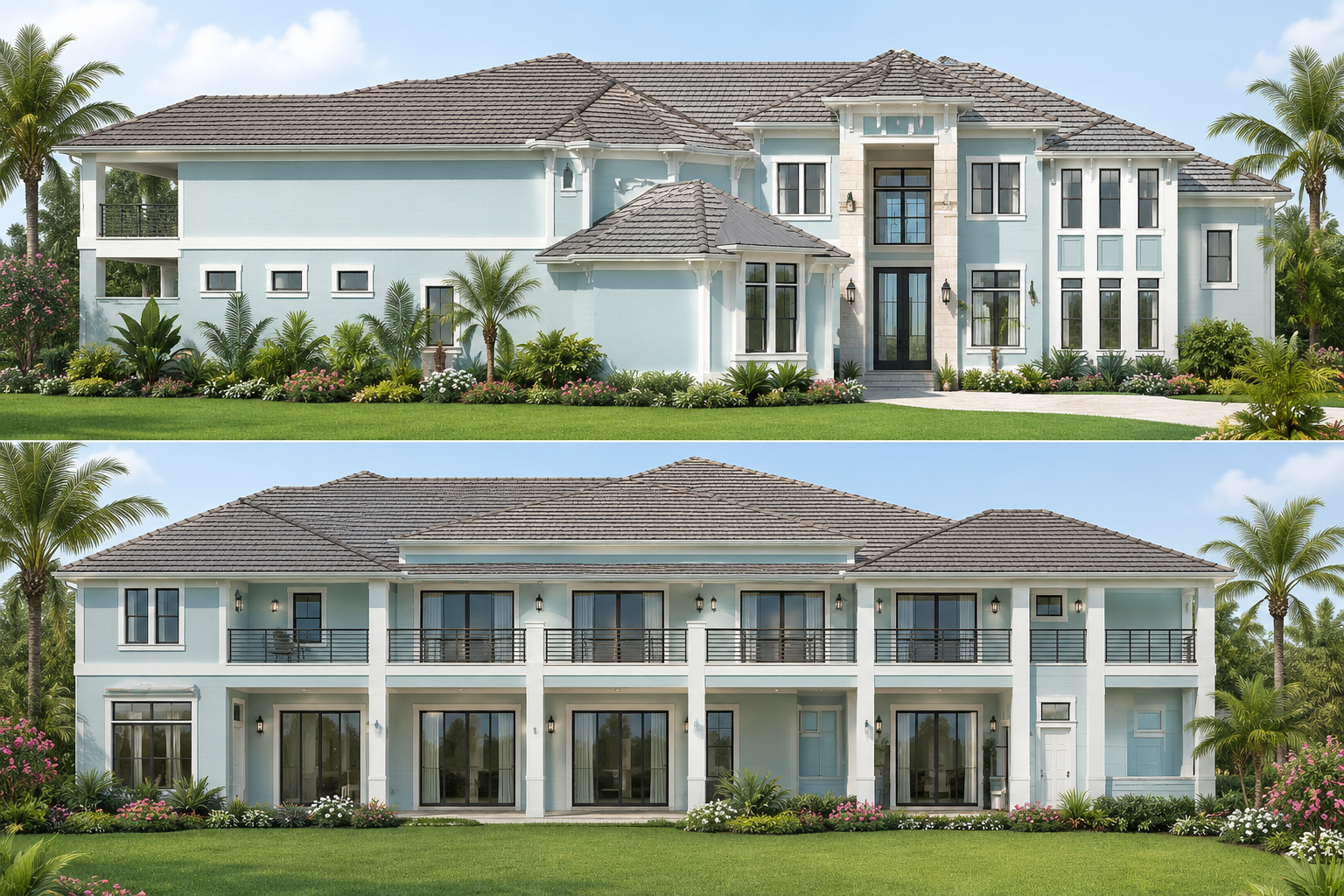
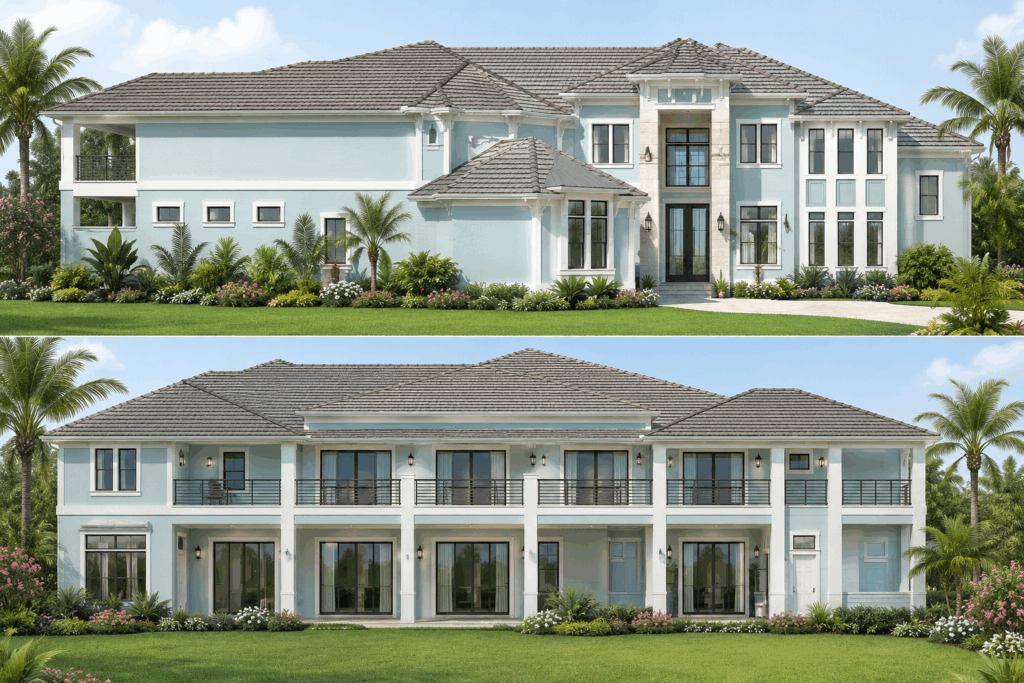
Cape Coral 12000 Sq FT Build Image
Home BuildingMay 28, 2026

The First Step for a Custom Home Most People Overlook

How to Start Building Your Forever Home: The First Step Most People Overlook
Building a Custom Home Starts with a Dream—But It Needs a Plan

For many Generation X homeowners, building a custom home is more than just another move. It’s the opportunity to create a forever home designed specifically around your lifestyle, your family, and the way you want to live for years to come.

If you’ve already determined your budget and have a homesite—or are actively looking for one—the first step in the custom home building process isn’t meeting with a builder or architect. Real custom home planning Cape Coral homeowners rely on starts well before that first meeting. See our custom home process to understand how the full journey unfolds.

The first step is brainstorming.

Start with How You Live

Before floor plans, elevations, or construction drawings, take time to think about how you actually use your home every day.

Ask yourself:

  • How many bedrooms do you need?

  • How many bathrooms make sense for your family?

  • Do you work remotely and need a dedicated home office?

  • Would you benefit from a home gym?

  • Do you frequently host family gatherings or entertain guests?

  • Is a media room, hobby room, art studio, or game room important to you?

  • Do you need a multigenerational living space for aging parents or adult children?

The more detailed you are during this stage, the easier it becomes to create a home that truly fits your lifestyle.

Think Beyond Square Footage

One of the biggest mistakes people make when designing a custom home is focusing only on the size of the home.

Instead, think about how you want the space to feel.

Do you love open-concept living with large gathering spaces? Do you prefer cozy rooms with more privacy? Are you drawn to bright, naturally lit spaces with oversized windows and sliding glass doors? Or do you prefer a more intimate atmosphere?

Consider your furniture and daily habits as well:

  • Do you prefer a large sectional sofa?

  • Do you need room for multiple seating areas?

  • Do you enjoy indoor-outdoor living?

  • Would a larger kitchen island improve the way you entertain?

  • Is a walk-in pantry a must-have?

These details may seem small, but they often have the biggest impact on your satisfaction with the finished home.

Learn from Your Current Home

Your current home can be one of the best design tools available.

Take a notebook and create two lists:

Things You Love

  • Natural lighting

  • Large closets

  • Open kitchen layout

  • Outdoor living space

  • Spacious owner’s suite

Things You Would Change

  • Lack of storage

  • Small laundry room

  • Limited garage space

  • Poor traffic flow

  • Not enough guest bedrooms

This exercise helps identify the features that should be incorporated—or eliminated—when designing your new custom home.

Create a Detailed Wish List

One of the best things you can do before meeting with an architect or custom home builder is to write down every idea that comes to mind.

Don’t worry about whether it’s practical at first.

Simply create a master wish list that includes:

  • Must-have features

  • Nice-to-have features

  • Future lifestyle needs

  • Accessibility considerations

  • Entertaining preferences

  • Outdoor living goals

  • Storage requirements

The more information you provide during the planning stage, the better your architect and builder can create a home tailored specifically to your needs. Browse our floor plans for inspiration before you finalize your list.

Why Custom Home Planning Cape Coral Matters

A successful custom home doesn’t happen by accident. Good custom home planning Cape Coral homeowners can trust starts with thoughtful preparation and a clear understanding of how you want to live.

Taking time to brainstorm before meeting with your builder can save thousands of dollars in redesign costs and help ensure your forever home functions exactly the way you envisioned.

Ready to Start Designing Your Custom Home?

At Lauren Homes, we help families throughout Cape Coral, Fort Myers, Punta Gorda, and Southwest Florida design and build custom homes that fit their lifestyle, budget, and long-term goals. Get a free new home estimate once your wish list starts taking shape.

If you’re considering building on your lot, we would be happy to send you our Custom Home Planning Worksheet—a detailed guide that walks you through many of the questions we ask clients during the design process.

The more prepared you are before meeting with your architect and builder, the better your custom home experience will be.

Contact Lauren Homes today to begin planning the forever home you’ve always envisioned, or explore lot evaluation if you haven’t secured your homesite yet

Info@Lauren-Homes.com  Office Located at 1425 Del Prado Blvd S Cape Coral Florida 33990   239-829-1520

Frequently Asked Questions

What is the first step in custom home planning Cape Coral homeowners should take?

The first step is not meeting with a builder or architect — it is brainstorming how you actually want to live. Think through your daily routines, must-have rooms, and lifestyle needs before anyone draws a single floor plan.

How detailed should my wish list be before meeting a builder?

As detailed as possible. Include must-have features, nice-to-have features, future lifestyle needs, accessibility considerations, and outdoor living goals. The more information you provide, the better your architect and builder can tailor the home to your needs.

Can planning ahead really save money on a custom home?

Yes. Taking time to brainstorm and clarify your priorities before meeting with your builder can save thousands of dollars in redesign costs and help avoid changes once construction is underway.
Read More
IMG_9924
Home BuildingMay 24, 2026

Plumbing Pressure Test in Cape Coral: Your New Home’s Ultimate Insurance Policy

Don't get a Plumbing Leak in Your New Home Build!

Nothing kills the excitement of building in Lee County quite like a hidden water leak. A plumbing pressure test Cape Coral builders rely on is what stops it. So how do premier custom builders confirm a plumbing system is airtight before the water is ever turned on? The answer is a small, unassuming tool: the pressure gauge.

In our latest video, we go behind the drywall of a local SWFL job site to show how a plumbing pressure test Cape Coral inspectors require actually works. Here is a breakdown of why this simple step is the most critical quality-check in Cape Coral home construction.

What Is a Plumbing Pressure Test in Cape Coral?

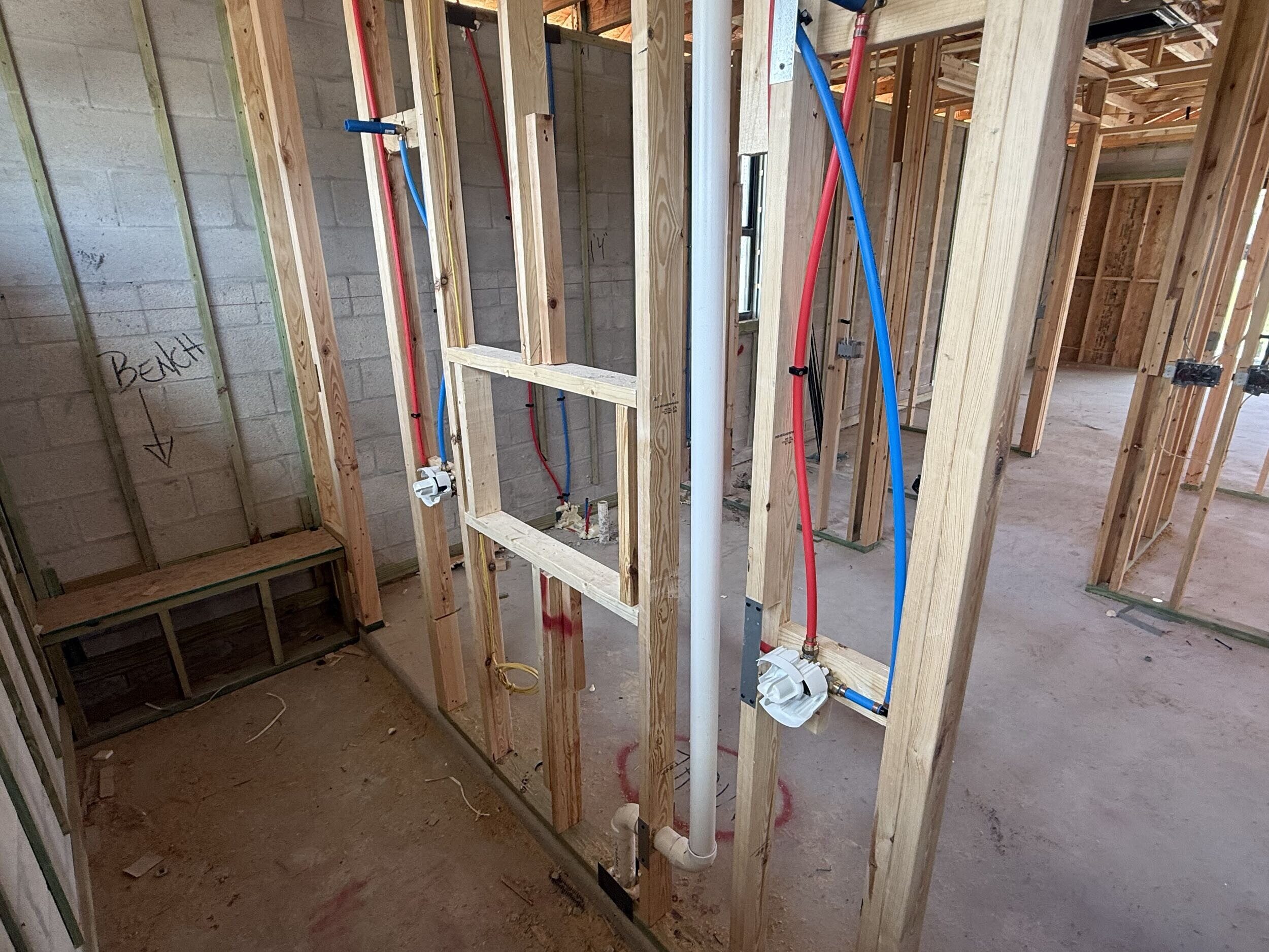
Before the drywall goes up, your home’s plumbing system is just a web of interconnected pipes. Therefore, plumbers run a rough-in pressure test.

Filling brand-new lines with water is risky, because a loose joint can cause serious damage. Instead, plumbers seal the system and pump it full of compressed air (or water under strict observation, depending on specific local Cape Coral building codes). Next, they thread a pressure gauge into the system to monitor internal pressure.

Cape Coral Builder Tip: The hot and humid Southwest Florida climate means mold can grow rapidly if moisture is introduced prematurely. Testing with air instead of water keeps the build site completely dry.

How It Works:

  1. Sealing the System: All stub-outs (where your sinks, toilets, and showers will eventually connect) are capped off.

  2. Pressurizing: An air compressor pumps air into the system until it reaches a specific pressure, typically between $15\text{ to }100\text{ PSI}$ depending on the pipe materials (like PEX vs. PVC).

  3. The Waiting Game: The gauge stays on the system for Lee County building inspectors—usually for a set period from 15 minutes up to 24 hours.

  4. The Verdict: If the needle on the gauge hasn’t moved, the system is perfectly sealed. If the pressure drops, there is a leak somewhere in the web.

Preventing Leaks Before They Are Sealed in the Walls

In short, the primary superpower of the pressure gauge is detection prior to concealment.

Once the drywall is hung, textured, and painted, finding a plumbing leak becomes a destructive, expensive nightmare. For example, a stray nail could pierce a PEX line. Similarly, a solder joint on a copper pipe might hide a microscopic pinhole.

During the rough-in phase, the gauge tells Cape Coral plumbers a leak exists. Then they track it down with simple soapy water, which bubbles at the leak site. Best of all, they fix it while the pipes are still fully exposed.

Saving Thousands in Water Damage and Florida Insurance Claims

Gen X homeowners are all too familiar with the current realities of the Florida homeowners insurance market. Certainly, getting coverage is tough enough without a history of water damage. Here is how a humble pressure gauge acts as your ultimate financial shield:

1. Structural and Cosmetic Ruin

Notably, water damage doesn’t stop at ruined drywall. Hidden leaks inside walls warp framing studs, rot subfloors, ruin expensive custom cabinetry, and destroy premium flooring. In addition, catching a leak with an air test means zero drops of water ever touch your new structure prematurely.

2. The Toxic Threat of SWFL Mold

In the Southwest Florida heat, moisture trapped inside a sealed wall cavity is a recipe for instant mold and mildew. Furthermore, mold remediation is incredibly expensive and poses severe health risks. As a result, holding pressure in the pipes keeps your walls bone-dry from day one.

3. Avoiding Denied Insurance Claims and Sky-High Premiums

While homeowners insurance typically covers “sudden and accidental” water damage. However, many policies include strict clauses about gradual, hidden leaks or poor workmanship during construction.

  • A leak discovered after you move into your Cape Coral home can lead to thousands of dollars out-of-pocket if insurance deems it a builder defect.

  • Even with coverage, a big early claim can push your already-pricy Florida premiums higher. In some cases, the carrier drops the policy entirely.

Summary: A Penny of Prevention on Your Cape Coral Lot

The pressure gauge may cost less than $20 at a local hardware store, but its role in a plumbing pressure test Cape Coral homeowners depend on, and in Southwest Florida home construction is priceless. Ultimately, it provides builders, local inspectors, and future homeowners with absolute peace of mind that the infrastructure behind their walls is sound, safe, and dry.

See our full building process to learn how quality checks like this are built into every Lauren Homes project. Want to see a local pressure test happen in real-time? Watch our full video above to see how we set up the gauge on our local job sites, what codes we look for, and how we ensure your custom home is built to last!

Are you building on your lot or remodeling in Cape Coral, Fort Myers, or the surrounding SWFL area? Make sure your contractor isn’t skipping the plumbing pressure test Cape Coral builds require. Leave a comment below or reach out for a free custom home estimate to talk about your upcoming build!

What pressure (PSI) should a residential plumbing system hold during a test?

Depending on local Lee County building codes and the specific materials used (such as PEX, PVC, or CPVC), a plumbing system is typically pressurized to anywhere between 15 and 100 PSI. The pressure gauge must remain completely steady for a set period—usually between 15 minutes and 24 hours—to pass local building inspections.

Can an undetected plumbing leak affect my Florida homeowners insurance?

Yes. The Florida homeowners insurance market is highly strict regarding water damage claims. If an undetected construction leak causes gradual damage after you move into your Cape Coral home, your insurance company may deny the claim due to “poor workmanship” or a “pre-existing builder defect.” Even if covered, filing a major water damage claim early on can cause your insurance premiums to skyrocket or result in your policy being dropped.

How does a pressure gauge prevent water damage in a new build?

A pressure gauge acts as an early warning system. If the needle on the gauge drops during the test period, it alerts the plumbing team that a leak exists. Because the walls are still open, the plumbers can easily locate the leak using soapy water, fix it immediately, and ensure the system is 100% airtight before it is ever filled with water.

Read More
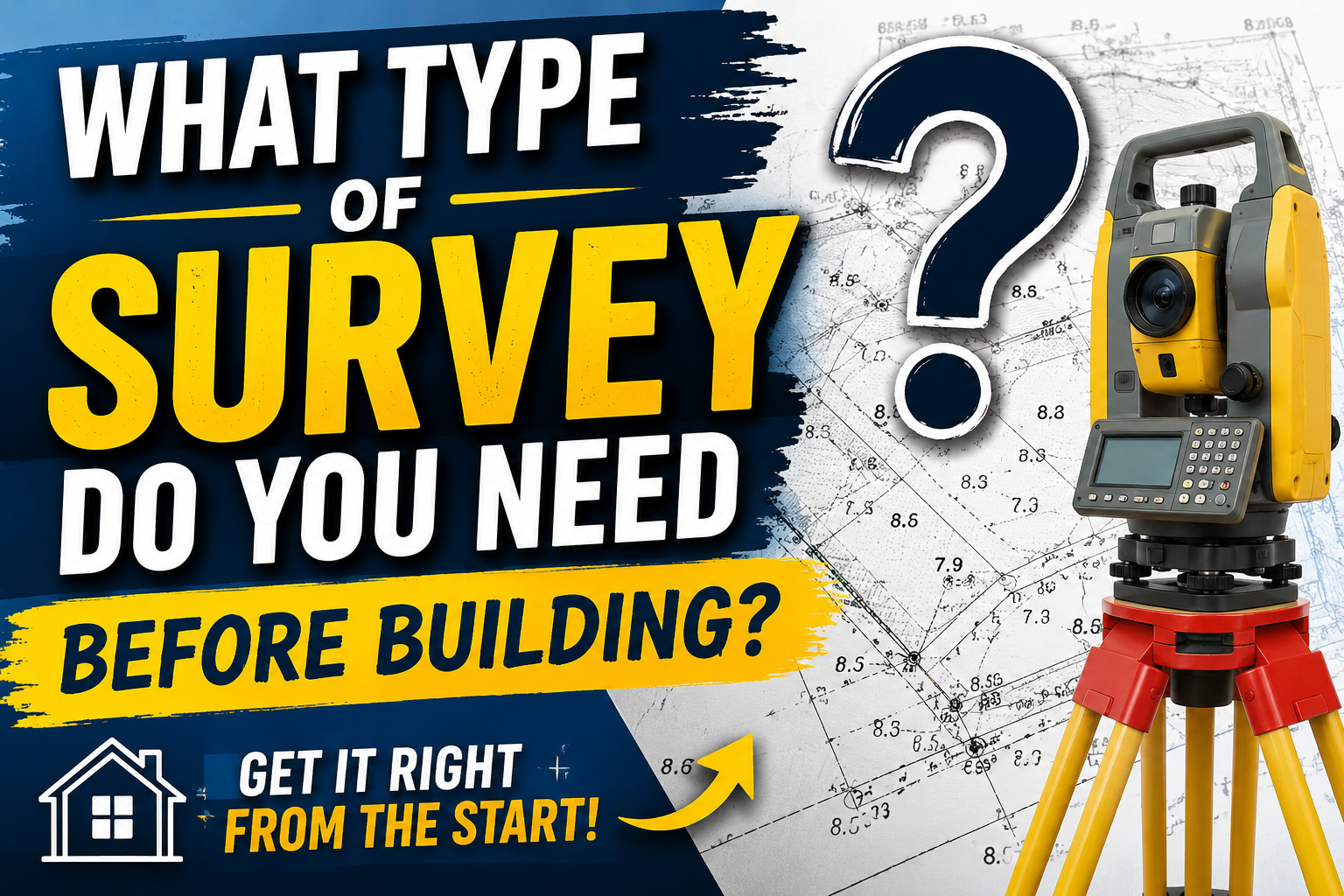
Topographical land survey in Cape Coral showing lot elevation points before a new home build
Home BuildingMay 18, 2026

What Type of Survey Do You Need Before Building a Home in Cape Coral, Florida?

What Type of Survey Do You Need Before Building a Home in Cape Coral, Florida?

Planning a custom home in Cape Coral or anywhere in Southwest Florida? One of your first steps is ordering the correct land survey for your property.

Many property owners order only a boundary survey when they buy land. That survey matters, but it rarely gives a builder enough information. As a result, your home site may not be ready for construction planning.

Therefore, for new construction, builders typically need a topographical survey — also known as a topo survey or a survey with elevations.

What Is a Boundary Survey?

A boundary survey primarily shows:

  • Property lines
  • Lot dimensions
  • Easements
  • Existing structures
  • Encroachments

This survey establishes the legal boundaries of the property. However, it does not show detailed elevation information across the lot.

While boundary surveys are useful, they usually do not tell builders how high or low the land sits compared to flood elevation requirements.

Why a Topographical Land Survey in Cape Coral Is So Important

Instead, a topographical survey provides elevation points throughout the property. Specifically, these elevation markers help builders understand the existing grade and terrain of the lot.

In Cape Coral and the rest of Southwest Florida, elevation matters enormously. Homes must sit at or above required flood elevations to meet current building codes and FEMA requirements.

Without accurate elevation information, builders cannot properly calculate:

  • Required finished floor elevation
  • Amount of fill dirt needed
  • Stem wall foundation height
  • Drainage planning
  • Site preparation costs

Why Elevation Matters in Florida New Construction

Before construction starts, we evaluate one factor above almost all others: how high the home must sit above base flood elevation.

If the property is low, additional fill dirt may be required to bring the pad elevation up to code. In addition, the home may need taller stem walls or extra foundation materials.

Therefore, ordering the correct survey upfront saves time, money, and unexpected surprises during the build.

What to Ask the Survey Company For

If you are purchasing a survey for a future home build, ask for:

  • A topographical survey
  • A survey with elevations
  • Existing grade elevations throughout the property

Once you mention elevations or topographical data, most survey companies know exactly what your builder needs.

On the survey itself, look for circled numbers throughout the lot. Those are your elevation points.

Land Survey Cape Coral: Building on Your Lot in Southwest Florida

Whether you already own land or are still searching for property, your lot elevations shape everything. In fact, they are one of the most important parts of planning a custom home in Florida.

At Lauren Homes, we help homeowners throughout Cape Coral, Fort Myers, Punta Gorda, and Southwest Florida understand the building process from the ground up — including surveys, flood elevations, fill dirt calculations, and site preparation.

If you are looking to build on your lot, reach out to our team to learn about the steps before construction begins.

Call 239-829-1520. Our office is at 1425 Del Prado Blvd S, Cape Coral, FL 33990.

What type of survey do I need before building a home in Florida?

If you are planning to build a home in Florida, especially in Cape Coral or Southwest Florida, a topographical survey is typically recommended. A topographical survey provides elevation information across the property, which helps builders calculate flood elevation requirements, fill dirt needs, drainage, and foundation heights

What is the difference between a boundary survey and a topographical survey?

A boundary survey shows the property lines, lot dimensions, easements, and existing structures on the property. A topographical survey includes elevation points throughout the lot, allowing builders and engineers to understand the grade and height of the land for construction planning.

How does a topographical survey help calculate fill dirt?

A topographical survey shows the current elevations of the property. Builders compare these elevations to the required finished floor elevation to calculate how much fill dirt must be brought in to raise the building pad to code.

Item #1

Item #2

Item #3

Read More
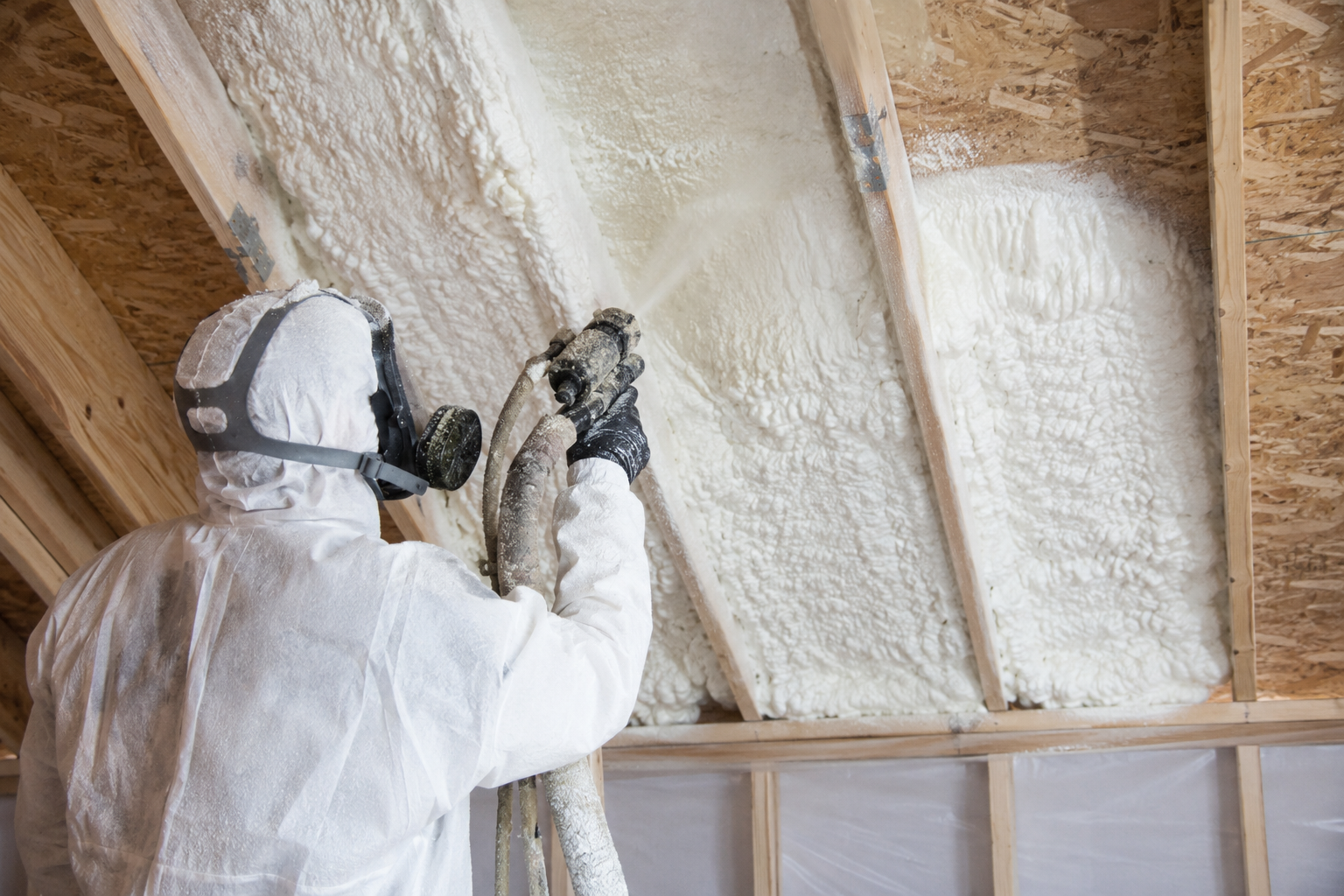
spray foam
Home BuildingMay 12, 2026

Why Spray Foam Insulation Is a Must for Custom Homes in Cape Coral, Florida

Why Spray Foam Insulation Is One of the Best Upgrades for Custom Homes in Cape Coral & Southwest Florida

If you’re planning to build a custom home on your lot in Cape Coral or anywhere in Southwest Florida, one of the most important decisions you can make is how your home will be insulated.

At Lauren Homes, we believe the quality of a home goes far beyond what you see on the surface. The systems behind the walls and above the ceilings play a major role in your comfort, energy efficiency, indoor air quality, and long-term maintenance costs.

That’s why spray foam insulation has become one of the most requested upgrades in luxury custom homes throughout Cape Coral, Fort Myers, and Southwest Florida. We include it as a standard feature at Lauren Homes!

Building Better Custom Homes in Southwest Florida

Many production builders still use traditional batt insulation installed directly above the ceiling drywall. While this may meet minimum building standards, it still leaves the attic exposed to the extreme Florida heat and humidity.

In Cape Coral and Southwest Florida, attic temperatures can often exceed 130 to 140 degrees during the summer months.

That excessive heat creates several long-term problems for homeowners:

  • Increased strain on HVAC systems
  • Higher monthly electric bills
  • Hotter attic spaces
  • More humidity buildup
  • Greater risk of mold growth
  • Reduced efficiency of ductwork

At Lauren Homes, we focus on creating a more energy-efficient thermal envelope around the home whenever possible. That means insulating not only the primary living areas, but also spaces above garages, lanais, and entry sections to help stabilize temperatures throughout the structure.

Why Spray Foam Insulation Performs Better in Florida Homes

Unlike traditional batt insulation, spray foam insulation is applied directly to the underside of the roof deck. This changes the entire attic environment.

Instead of creating an extremely hot vented attic, the attic becomes dramatically cooler and more controlled.

For homeowners building a custom home in Cape Coral, this offers major long-term advantages.

Improved HVAC Efficiency

Many Florida homes have HVAC equipment and ductwork located in the attic. When the attic reaches extreme temperatures, the HVAC system has to work significantly harder to cool the home.

Spray foam insulation helps create a lower-humidity, more temperature-controlled attic space around the mechanical systems.

Benefits include:

  • Reduced stress on the air handler
  • Improved HVAC lifespan
  • Better cooling efficiency
  • Lower energy consumption
  • Reduced wear on ductwork

Cooler Ductwork Means Lower Energy Bills

When cold air travels through ductwork sitting in a super-heated attic, the ducts naturally absorb heat before the conditioned air even reaches your rooms.

By lowering attic temperatures, spray foam insulation helps the ductwork stay cooler and operate more efficiently.

For many Southwest Florida homeowners, this can lead to noticeable long-term energy savings.

Better Humidity Control & Reduced Mold Risk

Humidity is one of the biggest concerns for homeowners in Cape Coral and Southwest Florida.

One of the hidden benefits of spray foam insulation is that it helps reduce extreme temperature differences around HVAC systems and ductwork. This helps decrease moisture buildup and condensation inside the system.

That means:

  • Better indoor air quality
  • Lower risk of mold growth
  • Less condensation around plenums and air handlers
  • More stable humidity levels throughout the home

For many homeowners building a custom home on their lot, this added protection is extremely valuable in Florida’s climate.

A More Functional Attic Space

Traditional attics in Southwest Florida can become nearly unusable during much of the year due to excessive heat.

With spray foam insulation, attic temperatures remain substantially more controlled, making the space far more practical for:

  • Holiday storage
  • Seasonal decorations
  • Keepsakes and paperwork
  • Future access for maintenance and upgrades

Homeowners are often surprised how much more usable the attic becomes.

Easier Future Maintenance for Your Home

Another overlooked advantage of spray foam insulation is easier long-term maintenance access.

Traditional blown-in and batt insulation can make attic work difficult and messy for electricians, low-voltage installers, HVAC technicians, and plumbers.

With spray foam insulation applied to the roof deck:

  • Trusses remain visible
  • The attic stays cleaner
  • Technicians can move easier
  • Future upgrades become less invasive
  • Maintenance work is often faster and more efficient

This creates a better long-term ownership experience for homeowners.

Is Spray Foam Insulation Worth the Cost?

One of the most common questions we receive from clients building custom homes in Cape Coral is whether spray foam insulation is worth the upgrade cost.

While pricing varies depending on home size and design, many homeowners find the long-term benefits outweigh the additional investment.

For example, a spray foam upgrade that costs approximately $7,000 may only increase a 30-year mortgage payment by roughly $38 per month depending on interest rates.

At the same time, homeowners may benefit from:

  • Lower monthly electric bills
  • Improved comfort
  • Better humidity control
  • Reduced HVAC strain
  • More usable attic space
  • Better long-term energy efficiency

Custom Homes Built for Southwest Florida Living

At Lauren Homes, we specialize in building custom homes on your lot throughout Cape Coral and Southwest Florida with a focus on quality construction, communication, and long-term performance.

We understand that building a home is about more than finishes and floorplans. It’s about creating a home that performs efficiently and comfortably for decades to come.

If you’re searching for:

  • Custom home builders in Cape Coral
  • Build on your lot builders in Southwest Florida
  • Luxury home builders in Cape Coral
  • Energy-efficient custom homes
  • Spray foam insulated homes in Florida

our team is here to help guide you through the process from design to completion.

Build Your Dream Home with Lauren Homes

Whether you already own a lot in Cape Coral or are just beginning the custom home building process, Lauren Homes can help you design and build a high-quality home tailored to your lifestyle and budget.

Learn more at:
Lauren Homes Custom Home Builder in Cape Coral, Florida

Read More
UncategorizedMay 11, 2026

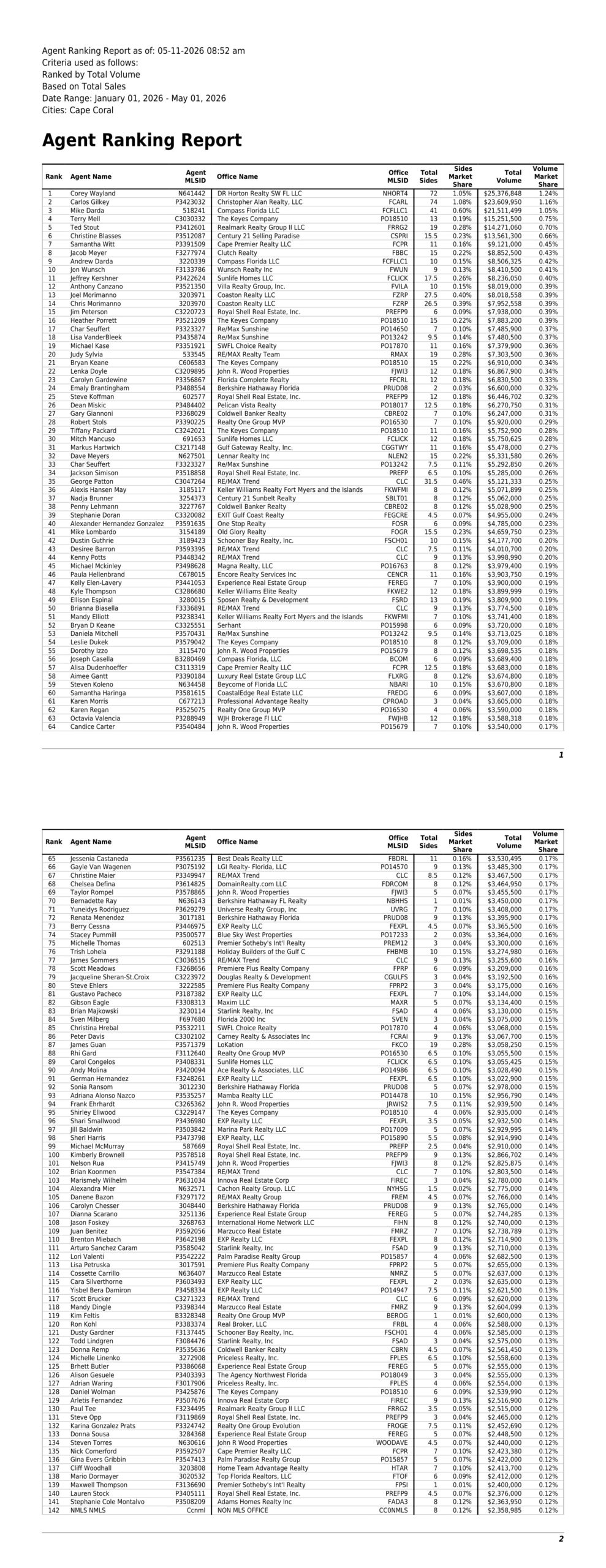
Cape Coral Top Real Estate Agents of 2026 (Through May 1st)

Cape Coral Real Estate Market Leaders: Top Agents of 2026

Cape Coral Top Real Estate Agents of 2026 (Through May 1st)

The Southwest Florida real estate market continues to evolve in 2026, and one thing remains consistent — strong real estate agents continue to drive successful transactions throughout Cape Coral and the surrounding areas.

At Lauren Homes, we always enjoy seeing which agents are leading the market and helping buyers and sellers successfully navigate today’s changing real estate environment. From waterfront luxury homes to new construction opportunities and relocation buyers moving to Florida, great agents continue to play a major role in the growth of Cape Coral.

Lauren Homes Works Hand-in-Hand With Top Realtors

One of the things that has helped Lauren Homes continue to grow throughout Southwest Florida is our strong relationships with local real estate professionals. A large percentage of our custom home sales come directly from Realtor referral partners who trust our building process, communication, pricing structure, and long-term reputation in the market.

Many buyers moving to Southwest Florida first connect with a local Realtor before they ever speak with a builder. Because of that, we understand how important the agent relationship is during the homebuilding process.

Our team works closely with Realtors throughout:

  • Cape Coral
  • Fort Myers
  • Pine Island
  • Punta Gorda
  • Naples
  • Estero
  • Bonita Springs
  • Greater Southwest Florida

Whether clients already own a lot, need help locating land, or are comparing resale versus new construction options, we help guide buyers and agents through the process from start to finish.

Realtor Compensation & Buyer Broker Agreements

Lauren Homes supports the Realtor community and understands the importance of buyer representation. We work with agents and pay compensation based upon the terms of their buyer broker agreement and the specifics of the transaction.  If you are a realtor you can register your client here or request more information REALTOR CLIENT REGISTRATION  

As the real estate industry continues to evolve, we believe transparency and communication between builders, buyers, and Realtors is extremely important. Our goal is to create a smooth process where clients feel represented and informed throughout the construction journey.

Why Many Realtors Refer Clients to Lauren Homes

Top-producing agents understand that their reputation is tied directly to the companies they recommend to their clients. At Lauren Homes, we take that responsibility seriously.  

Some of the reasons many Realtors continue referring buyers to Lauren Homes include:

Fixed-Price Contract Options

Many buyers appreciate knowing pricing upfront rather than dealing with large unexpected change orders during construction.

Communication Throughout the Build

We work hard to maintain communication with both buyers and their Realtors throughout the process.

Custom Homes On Your Lot

We specialize in helping clients build custom homes on privately owned lots throughout Southwest Florida.

Experience With Waterfront & Luxury Homes

Cape Coral’s waterfront market is unique, and many agents rely on experienced builders who understand elevations, seawall considerations, flood zones, pool planning, and maximizing water views.

Construction Financing Assistance

Our affiliated mortgage relationships can also help clients explore construction loan options when needed. You can see more at Financing with Fairview Lending NMLS 230610

Cape Coral Real Estate Market Trends in 2026

The Cape Coral market continues to attract:

  • relocation buyers from northern states
  • retirees
  • second-home buyers
  • investors
  • families looking for new construction homes

Many buyers today are specifically searching for:

  • energy-efficient homes
  • impact windows and doors
  • metal roofs
  • larger outdoor living spaces
  • custom pools
  • modern open floor plans
  • waterfront properties

As inventory levels shift throughout Southwest Florida, many agents are finding that new construction remains an attractive alternative for buyers who cannot find the exact resale home they want.

Congratulations to the Top Agents in Cape Coral So Far in 2026

We always enjoy recognizing the hardworking agents helping shape the Southwest Florida real estate market. Real estate is a relationship business, and the agents who continue providing great service, communication, and professionalism deserve recognition for their success.

If you are a Realtor working with buyers interested in:

  • custom homes
  • new construction
  • waterfront home building
  • investment properties
  • vacant lot opportunities
  • teardown/rebuild projects
  • relocation buyers

the Lauren Homes team would love the opportunity to work together.

Looking to Partner With Lauren Homes?

At Lauren Homes, we believe long-term Realtor relationships are one of the foundations of our business. Most of our sales are generated through referrals and repeat relationships, and we appreciate the trust local agents place in our company.

We are always excited to connect with professional Realtors throughout Cape Coral and Southwest Florida who are looking for a builder that values communication, transparency, and teamwork.

To learn more about Lauren Homes, available floor plans, custom home opportunities, or Realtor partnerships, visit:

Lauren Homes – Cape Coral Custom Home Builder

Read More
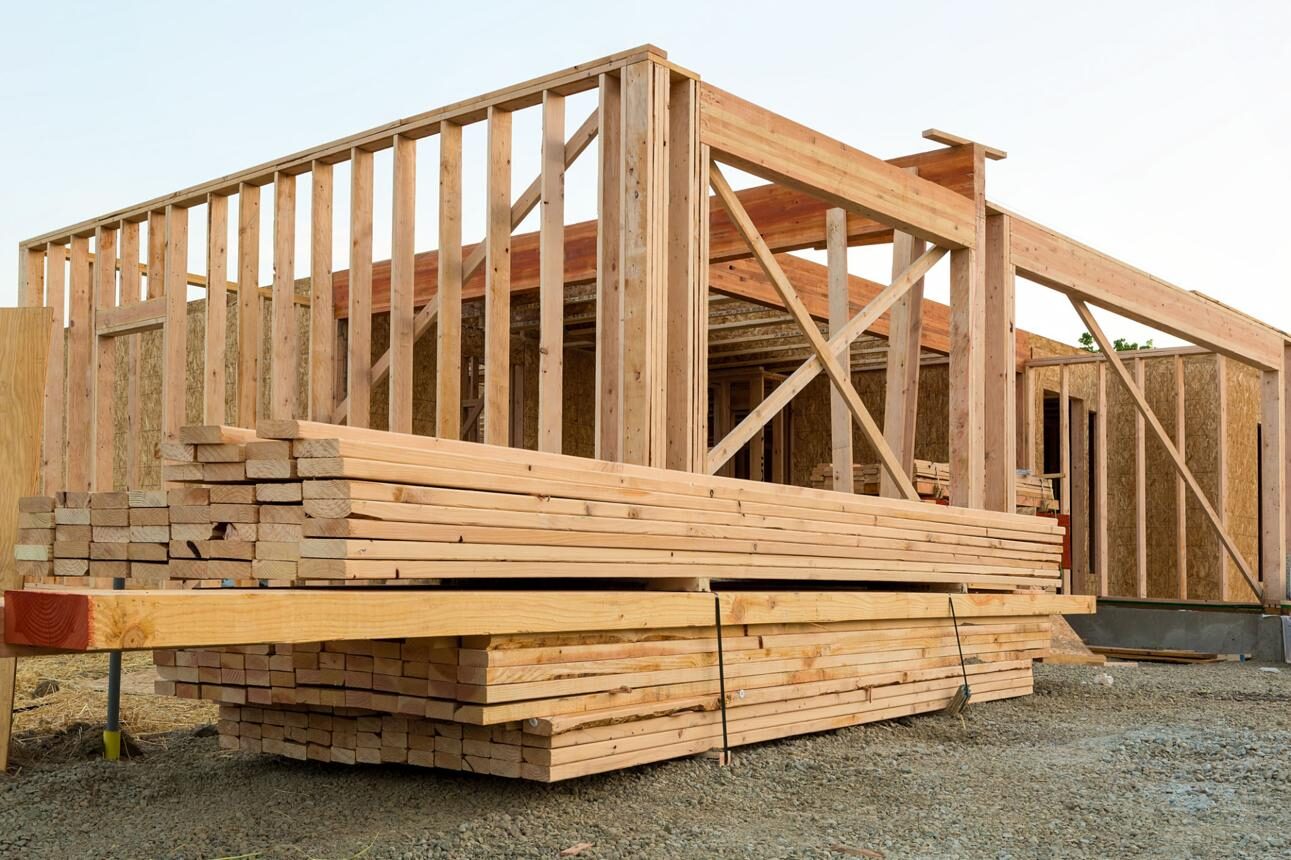
Lumber
Home BuildingMay 4, 2026

Are Lumber Prices Going Up or Down in Cape Coral, Florida? (2026 Update for Homebuilding Costs)


Are Lumber Prices Going Up or Down in Cape Coral, Florida? (2026 Home Building Cost Update)

If you are planning to build a custom home in Cape Coral, Florida, one of the first questions worth asking is what lumber prices Cape Coral builders are actually paying right now, since that number drives a big share of your total budget. Many buyers assume that as the market slows, material costs will drop—but that is not what we are seeing in real time. The reality is that while some materials fluctuate, the overall cost to build a home in Cape Coral in 2026 is still being pushed higher due to increases in key structural lumber products. For a full breakdown of what goes into your total budget, see our cost to build a home guide.

At Lauren Homes, we actively track building material costs through our membership with CBUSA, a national construction buying group, and our supplier 84 Lumber. This allows us to see real pricing trends that directly impact home construction in Southwest Florida. Based on our latest updates, even with a slight decrease in local demand, many lumber categories are still increasing. Precut lumber has risen between 10.7% and 12.2%, SPF lumber is up 7.9%, Southern Yellow Pine has increased 18.6%, plywood has gone up 6.6%, and pressure-treated lumber has also jumped 18.6%. The only category that has slightly decreased is OSB, which is down 2.5%. However, this small drop does not offset the overall rise in core framing and structural materials.

Lumber Prices Cape Coral Builders Are Watching in August 2026

Zooming out to the broader market, national data shows a more mixed picture than a straight line up or down. According to the NAHB/Madison’s Lumber Price Index, framing lumber was running about $558 per 1,000 board feet as of early August 2026, up roughly 2% from the prior month but down slightly from a year earlier. Lumber futures tracked by Trading Economics tell a different short-term story, trading closer to $568 per 1,000 board feet and down nearly 10% over the past month as builders pull back on new starts.

One consistent driver behind higher lumber prices Cape Coral homeowners are paying is the ongoing tariff on Canadian softwood lumber, which runs above 14% and adds an estimated $60 to $70 per 1,000 board feet to landed costs—roughly $900 to $1,000 in additional expense on a typical single-family home. Since Canada supplies close to 30% of U.S. lumber, that tariff keeps a floor under prices even when demand softens.

These increases are important because structural lumber plays a major role in the total cost of building a home. In markets like Cape Coral, where building codes require strong, durable construction due to hurricane exposure and environmental conditions, materials like pressure-treated lumber and Southern Yellow Pine are essential. As these prices rise, they directly affect the cost per square foot to build.

Another factor to understand is that local demand does not fully control pricing. Even if Southwest Florida experiences a slowdown in new construction, national demand, supply chain constraints, labor costs, and transportation expenses continue to drive pricing upward. Lumber mills are also more controlled in their production compared to previous years, which keeps supply tighter and pricing more stable at higher levels.

One of the advantages of working with a builder like Lauren Homes is our participation in CBUSA, which gives us group purchasing power. This allows us to secure more competitive pricing, maintain steady supply lines, and reduce volatility in material costs through our relationship with 84 Lumber. While no builder is immune to price increases, this structure helps us keep costs more efficient and predictable for our clients building in Cape Coral.

So what does this mean for the overall cost to build a home in Cape Coral, Florida in 2026? Currently, most standard custom homes range between approximately $200 to $275 per square foot, while waterfront or luxury homes can range from $275 to $400 or more per square foot depending on design, finishes, lot conditions, and elevation requirements. Beyond lumber, additional cost drivers include site work, fill requirements due to flood elevation, labor shortages, insurance costs, and updated Florida building codes. Explore our floor plans to see cost ranges for specific home designs.

Cape Coral also presents unique building considerations that impact pricing. Many lots require additional fill to meet elevation requirements, especially in flood zones. Waterfront properties often involve seawalls, soil conditions, and more complex construction requirements. Permitting timelines and compliance with current building codes also play a role in both cost and construction timelines.

For buyers trying to decide whether to build now or wait, it is important to understand that waiting for prices to drop can be risky. Lumber pricing is not showing signs of a major decline, and even small increases in materials, labor, or interest rates can significantly impact your total project cost. Locking in a build now, especially with a fixed-price contract, can provide more certainty and protect against future increases. Our financing options can help you lock in terms before costs climb further.

In summary, lumber prices in 2026 are not crashing—they are adjusting, but many critical materials are still rising. Even though some categories like OSB have seen slight decreases, the overall trend in structural lumber continues upward. This keeps pressure on the cost to build a home in Cape Coral and reinforces the importance of working with an experienced builder who understands pricing trends and has strong supplier relationships.

If you are considering building a home in Cape Coral, understanding these cost factors early can help you make a more informed decision and avoid surprises during the construction process. Get a free new home estimate to see how current pricing applies to your project. LaurenHomes.com 239-829-1520

How much does it cost to build a home in Cape Coral, Florida in 2026?

The cost to build a home in Cape Coral in 2026 typically ranges from $200 to $275 per square foot for standard custom homes, while waterfront and luxury homes can range from $275 to $400+ per square foot. Pricing depends on factors such as lot conditions, elevation requirements, materials, labor, and design selections. Rising lumber costs, site work, and updated Florida building codes continue to impact overall construction pricing.

Are lumber prices going up or down in Florida right now?

Lumber prices in Florida are mixed but trending upward overall in 2026

Is now a good time to build a home in Cape Coral, Florida or should I wait?

For most buyers, building a home now in Cape Coral is often a smarter move than waiting. While some materials fluctuate, key construction costs like labor, permitting, and structural lumber have continued to rise over time. Waiting for prices to drop can be risky, as lower demand does not always translate into lower building costs. Additionally, interest rates, insurance, and site development expenses can increase, offsetting any potential savings. Building now—especially with a fixed-price contract—allows you to lock in costs, secure materials earlier, and avoid future price increases while designing a home that fits your exact needs..

Read More
logotype

Quick Links

Our Build Process
Custom Floor Plans
Lauren Homes FAQ's
Realtors

Contact Us

1425 Del Prado Blvd. S. Cape Coral, FL 33990
(239) 829-1520
Fredprice@Lauren-Homes.com

Follow Us

Facebook-fYoutubeInstagram

Copyright © 2025 Lauren Homes. All Rights Reserved. | License: CRC1331621

Website Designed By OMG, A Cape Coral Website Design Company