Lauren Homes Logo
  • Why Lauren?
  • Resources
    • Our Blog
    • FAQs
    • Knowledge Center
      • Planning Your Home
        • Cost To Build a Home
        • Step By Step Home Building
        • How Long Does it Take to Build a Home?
        • Our Building Process
        • Building on Your Own Lot
      • Financing & Budget
        • What is an Impact Fee?
        • What’s Included in a New Construction
      • Land & Site Preparation
        • Septic VS Sewer
        • Best Areas to Build in Cape Coral
        • Best Areas to Build in Cape Coral
        • Flood Zones and Requirements
      • Interior and Exterior Features
    • Realtors
  • Our Homes
    • Customizable Floor Plans
    • Standard Features
    • Custom Home Projects
  • Build on Your Lot
    • Custom Home Process
    • Building on Your Own Lot
    • Land Find & Evaluation
    • Our Building Schedule and Meetings
  • Pricing
    • Construction Loans
    • Instant Home Price Calculator
  • Contact

(239) 829-1520

NEW HOME ESTIMATES
Lauren Homes Logo
Lauren Homes Logo
  • Why Lauren?
  • Resources
    • Our Blog
    • FAQs
    • Knowledge Center
      • Planning Your Home
        • Cost To Build a Home
        • Step By Step Home Building
        • How Long Does it Take to Build a Home?
        • Our Building Process
        • Building on Your Own Lot
      • Financing & Budget
        • What is an Impact Fee?
        • What’s Included in a New Construction
      • Land & Site Preparation
        • Septic VS Sewer
        • Best Areas to Build in Cape Coral
        • Best Areas to Build in Cape Coral
        • Flood Zones and Requirements
      • Interior and Exterior Features
    • Realtors
  • Our Homes
    • Customizable Floor Plans
    • Standard Features
    • Custom Home Projects
  • Build on Your Lot
    • Custom Home Process
    • Building on Your Own Lot
    • Land Find & Evaluation
    • Our Building Schedule and Meetings
  • Pricing
    • Construction Loans
    • Instant Home Price Calculator
  • Contact

(239) 829-1520

NEW HOME ESTIMATES
Lauren Homes Logo
Call Us (239) 829-1520
  • Why Lauren?
  • Resources
    • Our Blog
    • FAQs
    • Knowledge Center
      • Planning Your Home
        • Cost To Build a Home
        • Step By Step Home Building
        • How Long Does it Take to Build a Home?
        • Our Building Process
        • Building on Your Own Lot
      • Financing & Budget
        • What is an Impact Fee?
        • What’s Included in a New Construction
      • Land & Site Preparation
        • Septic VS Sewer
        • Best Areas to Build in Cape Coral
        • Best Areas to Build in Cape Coral
        • Flood Zones and Requirements
      • Interior and Exterior Features
    • Realtors
  • Our Homes
    • Customizable Floor Plans
    • Standard Features
    • Custom Home Projects
  • Build on Your Lot
    • Custom Home Process
    • Building on Your Own Lot
    • Land Find & Evaluation
    • Our Building Schedule and Meetings
  • Pricing
    • Construction Loans
    • Instant Home Price Calculator
  • Contact
Free Custom Home Pricing Tool
July 2026
Home2026July
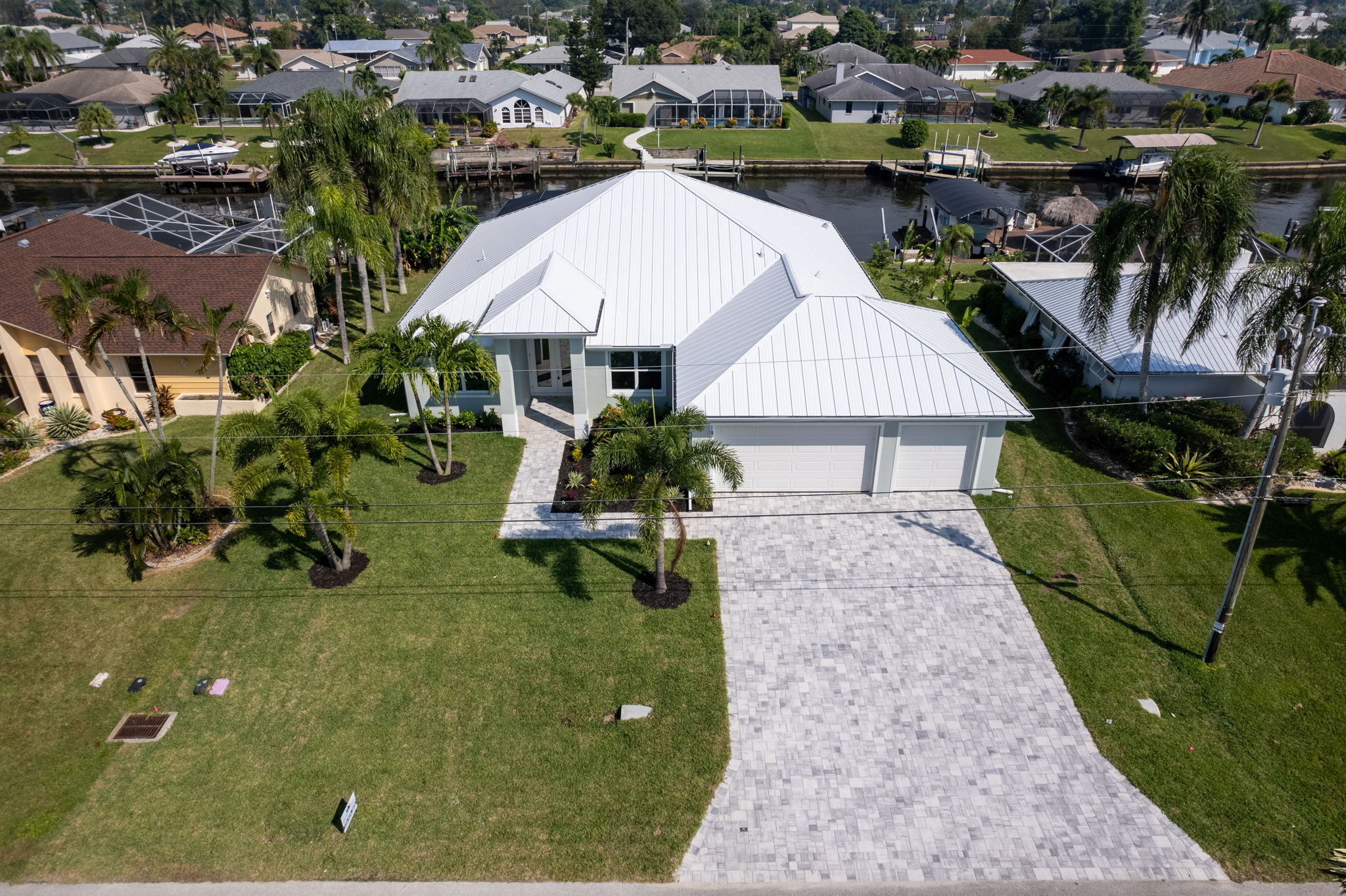
Custom home built by Lauren Homes for a client who chose to build a custom home in Cape Coral, FL
Home BuildingJuly 31, 2026

AC must ask upgrade needed for new home build in SW Florida

Why the Details Behind Your Walls Matter

When most people tour a new construction home, they notice the kitchen, flooring, countertops, and paint colors. But some of the most valuable upgrades are hidden behind the drywall.

One of those upgrades is mastic-sealed HVAC ductwork.

At Lauren Homes, we believe a quality-built home is about much more than what you can see. That’s why every home we build in Cape Coral, Fort Myers, North Fort Myers, Punta Gorda, Alva, and throughout Southwest Florida includes professionally sealed HVAC duct connections using mastic sealant as one of our standard construction features.

It’s a small detail that can make a noticeable difference in your home’s comfort, efficiency, and long-term performance.


What Is Mastic Sealant?

Mastic is a thick, flexible sealant specifically designed for HVAC duct systems.

Instead of relying solely on HVAC tape to connect duct joints, mastic creates an airtight seal around every connection.

Unlike ordinary tape that can deteriorate over time, properly applied mastic remains durable and flexible while helping reduce unwanted air leakage.

This creates a tighter, better-performing HVAC system.


Why Does It Matter in Southwest Florida?

Florida’s climate presents unique challenges.

High temperatures…

High humidity…

Nearly year-round air conditioning…

Your HVAC system works harder than almost anywhere else in the country.

Every bit of conditioned air that leaks into the attic or wall cavities is air you’ve already paid to cool.

By sealing duct joints with mastic, homeowners can enjoy several important benefits.


Benefits of Mastic-Sealed Ductwork

1. Better Energy Efficiency

Air leaks force your HVAC system to run longer.

Mastic helps keep conditioned air inside the ductwork where it belongs, allowing your air conditioning system to work more efficiently.


2. More Consistent Temperatures

Have you ever been in a home where one bedroom feels warm while another feels cold?

Properly sealed ductwork helps deliver more consistent airflow throughout the home, improving comfort from room to room.


3. Improved Indoor Air Quality

Leaks in ductwork can allow attic dust, insulation particles, and other contaminants to enter your HVAC system.

Sealed ducts help reduce unwanted air infiltration before it reaches your living space.


4. Less Humidity Entering the System

Humidity is one of Southwest Florida’s biggest challenges.

Reducing air leakage helps your HVAC system better control indoor moisture, improving overall comfort.


5. Long-Term Durability

Unlike standard tape that may loosen or degrade over many years, professionally applied mastic creates a durable seal designed for the life of the duct system.


A Standard Feature at Lauren Homes

Many construction upgrades are optional.

This isn’t one of them.

At Lauren Homes, mastic-sealed ductwork is included because we believe quality should be built into every home—not offered as an upgrade.

It’s one of many construction details that helps distinguish our homes from ordinary production builders.


Watch It During Construction

One of the advantages of building a custom home is seeing these details before the drywall goes up.

We’ve created a short video showing exactly how our HVAC ductwork is sealed during construction.

👉 Watch our YouTube Short to see this hidden feature before the walls are closed.

Is mastic sealant better than HVAC tape?

By reducing conditioned air leakage, well-sealed duct systems can help HVAC systems operate more efficiently, contributing to improved overall performance.

Why is duct sealing important in Florida?

Florida’s hot, humid climate means air conditioners run much of the year. Properly sealed ductwork helps reduce air leakage, improve comfort, and support better humidity control.

Is mastic-sealed ductwork included with Lauren Homes?

Yes. Mastic-sealed HVAC ductwork is one of Lauren Homes’ standard construction features because we believe homeowners should receive long-lasting quality without paying for unnecessary upgrades.
Read More
Septic Picture
Home BuildingJuly 28, 2026

Cape Coral Septic System Cost: What to Know Before Building a Home

Cape Coral Septic System Cost: What Every Homeowner Should Know Before Building

If you’re planning to build a custom home in Cape Coral, Florida, one of the biggest questions you’ll have is whether your property will connect to city water and sewer or require a well and septic system. Understanding the costs, benefits, and maintenance of a septic system can help you make an informed decision before construction begins.

At Lauren Homes, we build custom homes throughout Cape Coral, North Fort Myers, Alva, Punta Gorda, Lehigh Acres, and Southwest Florida, and we help homeowners navigate every step of the building process—including septic design, permitting, and installation.

How Much Does a Septic System Cost in Cape Coral?

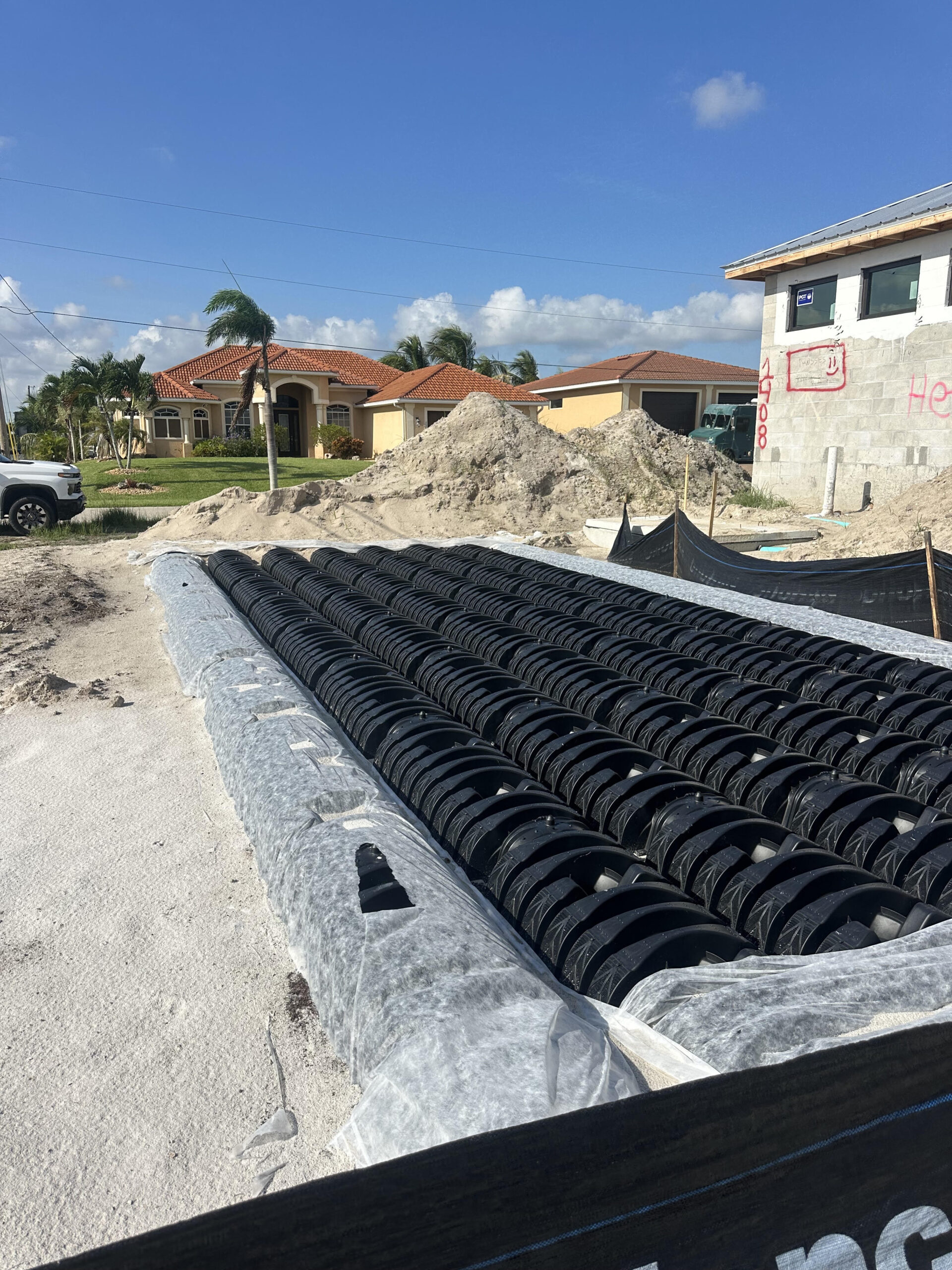
For most new construction homes in Cape Coral, a complete residential septic system typically costs between $10,000 and $15,000, including installation, inspections, and connecting the system to your home.

Several factors can influence the final cost, including:

  • Soil conditions

  • Home size and number of bedrooms

  • Drain field requirements

  • Lot layout

  • Local permitting requirements

Every homesite is different, which is why Lauren Homes evaluates your property before providing a detailed construction estimate.

Can Building on Well and Septic Save You Money?

In many cases, yes.

If your lot requires a well and septic system, you’ll often pay lower permit and impact fees than homeowners building in areas served by Cape Coral city water and sewer.

While installing a septic system is an upfront investment, avoiding municipal utility connection fees can offset a portion of those costs. Every property is different, but many homeowners are surprised to learn that building on a well and septic system can be a cost-effective solution.

Our team helps clients compare all site development costs before construction begins so there are no surprises later.

Three Interesting Facts About Septic Systems

Many homeowners are unfamiliar with how modern septic systems actually work. Here are three facts that may surprise you.

1. The Drain Field Does Most of the Treatment

Many people assume the septic tank cleans the wastewater.

In reality, the tank’s primary job is to separate solids from liquids. The partially treated water then flows into the drain field, where naturally occurring bacteria in the soil continue filtering contaminants before the water safely returns to the groundwater.

The drain field is the true workhorse of the entire septic system.

2. A Properly Maintained Septic System Can Last 30–50 Years

A quality septic system is designed to provide decades of reliable service.

Simple maintenance practices can dramatically extend its lifespan:

  • Pump the septic tank every 3–5 years.

  • Never flush wipes, grease, or other non-biodegradable materials.

  • Keep heavy vehicles and equipment off the drain field.

  • Schedule periodic inspections.

With proper care, both the septic tank and drain field can serve your home for many decades.

3. Grass Is the Best Landscaping for a Drain Field

Many homeowners wonder what they can plant over a drain field.

The answer is simple—grass.

Grass helps prevent erosion and absorbs excess moisture without damaging underground components.

Avoid planting trees or large shrubs over your drain field because their roots naturally seek moisture and can eventually damage underground pipes, leading to expensive repairs.

Are Septic Systems Reliable?

Absolutely.

Modern septic systems are engineered to provide reliable wastewater treatment for decades when properly designed and maintained.

For homeowners building on acreage or in areas without municipal sewer service, a septic system offers dependable performance while giving you more flexibility in choosing where to build your dream home.

Planning to Build on Your Lot?

At Lauren Homes, we specialize in building custom homes on your land throughout Southwest Florida.

Whether your property requires city utilities or a private well and septic system, our team will guide you through:

  • Site evaluations

  • Permitting

  • Septic design

  • Construction costs

  • Utility planning

  • Fixed-price home construction

If you’re considering building a home in Cape Coral, North Fort Myers, Alva, Lehigh Acres, Punta Gorda, or the surrounding areas, we’d love to help you understand your options and provide a detailed construction estimate.

Schedule your complimentary Home Building Strategy Session with Lauren Homes today and let’s start planning your dream home. 239-829-1520     Lauren Homes.com

How much does a septic system cost in Cape Coral, Florida?

A typical residential septic system in Cape Coral costs between $10,000 and $15,000, including installation, inspections, and connecting it to your new home. Costs vary based on soil conditions, lot size, home size, and local permitting requirements.

Is a well and septic system cheaper than city water and sewerin Cape Coral?

While installing a well and septic system requires an upfront investment, homes on well and septic often have lower permit and impact fees than homes connecting to municipal water and sewer. The best option depends on your lot, location, and utility availability.

How long does a septic system last in Southwest Florida?

A properly designed and maintained septic system can last 30 to 50 years or more. Pumping the tank every 3–5 years, avoiding grease and flushable wipes, and protecting the drain field from heavy vehicles can significantly extend the life of the system.

Read More
009_Kitchen
Home BuildingJuly 15, 2026

Cape Coral Custom Kitchen Cabinets: How Proper Layout Prevents Expensive Building Mistakes

Cape Coral Custom Kitchen Cabinet Layout: How Lauren Homes Prevents Costly Construction Mistakes Before They Happen

Cape Coral Custom Kitchen Cabinet Layout: Small Steps That Prevent Expensive Mistakes

Building a custom home in Cape Coral, Florida, is about much more than choosing beautiful cabinets and countertops. The quality of a home is often determined by the planning that happens before the finishes are ever installed.

At Lauren Homes, we believe that preventing mistakes is far less expensive than fixing them later. That’s why we follow a detailed cabinet layout process before plumbing, electrical, drywall, and cabinetry installation begins.

These extra quality-control steps help ensure every custom kitchen is built exactly as designed while avoiding costly delays and change orders.


Every Custom Kitchen Is Different

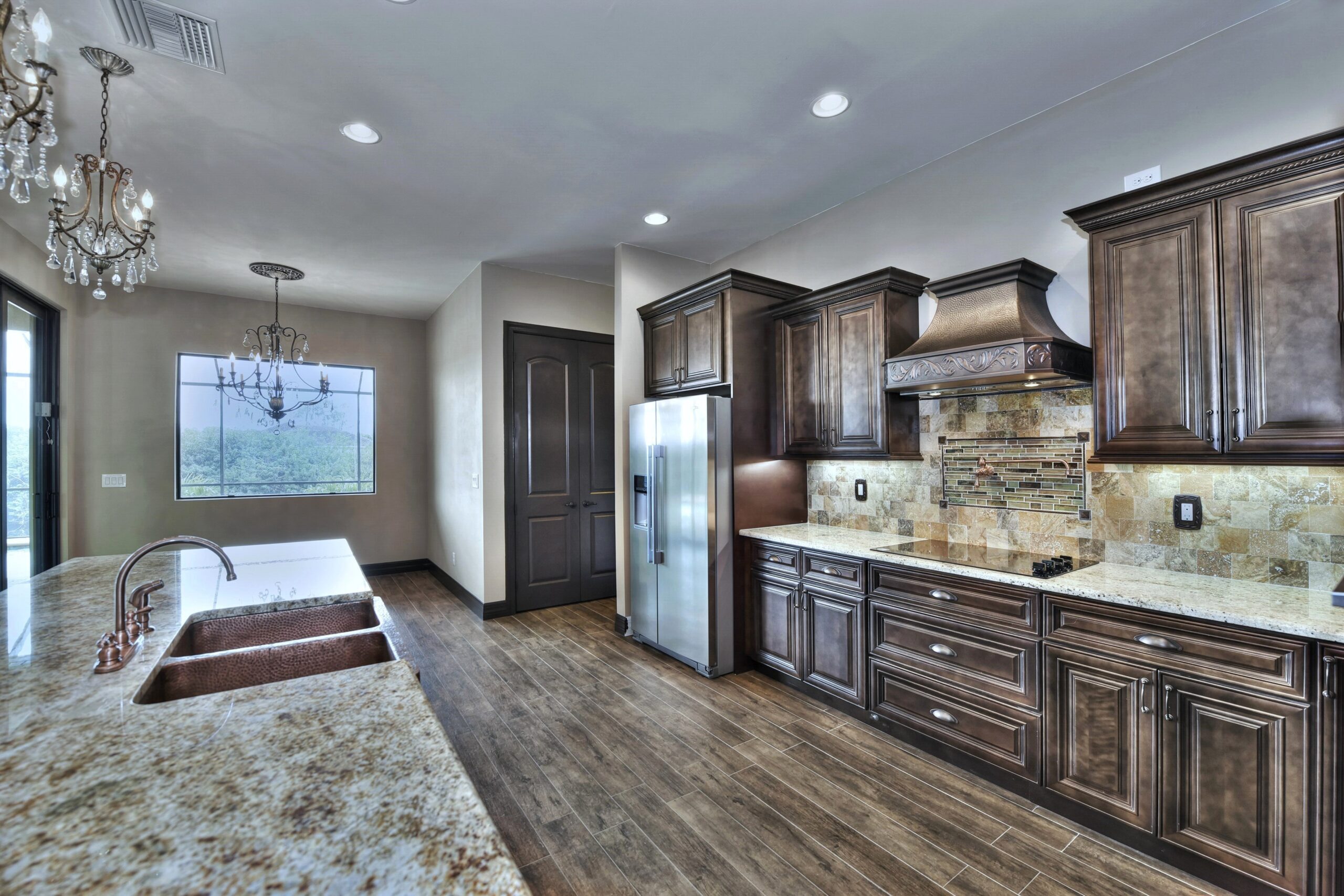
Unlike production builders that repeat the same kitchen layouts hundreds of times, Lauren Homes designs kitchens specifically around each homeowner’s lifestyle.

Even when two homes share the same exterior floor plan, the kitchens may be completely different based on:

  • Cabinet configurations
  • Appliance selections
  • Island size and location
  • Pantry layouts
  • Coffee stations
  • Built-in ovens
  • Decorative range hoods
  • Microwave placement
  • Specialty storage cabinets

Every decision changes where plumbing, electrical, lighting, and framing need to be located.

That is why accurate cabinet planning is one of the most important steps during the framing stage.


Step 1: Cabinet Plans Are Delivered Before Rough Construction

Once the home is framed, our cabinet design is placed inside the home where every trade can access it.

This allows everyone involved in construction to reference the exact kitchen design before beginning their work.

The cabinet drawings become the roadmap for:

  • Framers
  • Electricians
  • Plumbers
  • HVAC contractors
  • Cabinet installers
  • Project supervisors

Everyone is working from the same plan.


Step 2: Install Wood Blocking Before Drywall

One detail many homeowners never see is the installation of wood backing behind future cabinet locations.

Before insulation and drywall are installed, our framers add structural blocking where upper cabinets will be mounted.

Benefits include:

  • Stronger cabinet attachment
  • Better weight support
  • Reduced wall movement
  • Long-term durability
  • Proper fastening into solid framing

This creates a much stronger installation than relying solely on drywall anchors.


Step 3: Draw Every Cabinet on the Floor

One of our favorite quality-control practices is physically laying out every cabinet directly on the concrete slab.

Using a permanent black marker, our cabinet installer outlines each cabinet exactly where it will be installed.

This simple process allows us to compare:

  • Paper plans
  • Actual field dimensions
  • Window locations
  • Door openings
  • Appliance spacing
  • Walkways
  • Island clearance

If something doesn’t look right, we catch it before rough trades begin.

Correcting a layout with a marker takes minutes.

Correcting it after drywall may take days.


Step 4: Help Plumbing and Electrical Get It Right the First Time

Once the cabinet layout is marked on the floor, our plumbing and electrical contractors know exactly where every fixture belongs.

This helps properly locate:

  • Sink plumbing
  • Dishwasher connections
  • Refrigerator water lines
  • Garbage disposal outlets
  • Under-cabinet lighting
  • Island electrical
  • Wall receptacles
  • Appliance circuits
  • Range hood wiring
  • Microwave outlets

Having a physical layout significantly reduces guesswork and minimizes costly relocation work later.


Step 5: Verify Everything Before Drywall

Before insulation and drywall are installed, our team performs another walkthrough to verify:

  • Cabinet dimensions
  • Appliance spacing
  • Plumbing locations
  • Electrical locations
  • Window clearances
  • Structural backing
  • Kitchen island placement

Finding issues before drywall is one of the easiest ways to save time and money during construction.


Why This Matters for Southwest Florida Homeowners

Many construction problems aren’t caused by poor workmanship—they’re caused by poor communication.

By providing detailed cabinet drawings, marking layouts directly on the slab, and coordinating every trade before rough-ins begin, Lauren Homes dramatically reduces the likelihood of expensive corrections later in the build.

These proactive quality-control measures are part of our commitment to building custom homes with exceptional craftsmanship throughout Cape Coral, Fort Myers, North Fort Myers, Punta Gorda, Alva, and the surrounding Southwest Florida communities.


The Lauren Homes Difference

At Lauren Homes, we believe quality starts long before the cabinets are installed.

By taking extra time during framing to verify cabinet layouts, install proper backing, and coordinate every trade, we help ensure your custom kitchen is built exactly as planned—without unnecessary delays or costly surprises.

It’s one more reason homeowners throughout Southwest Florida trust Lauren Homes to build custom homes designed around their lifestyle, not a cookie-cutter floor plan.

Why should cabinet layouts be finalized before plumbing and electrical rough-ins?

Finalizing the cabinet layout first ensures plumbing, electrical outlets, appliance connections, and lighting are installed in the correct locations, reducing expensive changes later in construction.

Why does Lauren Homes mark cabinet layouts on the concrete floor?

Physically outlining each cabinet allows our team to verify the design against the actual framed home, catching any dimensional issues before drywall or rough-ins begin

Why is wood blocking installed behind kitchen cabinets?

Wood blocking provides a solid structural attachment point for upper cabinets, creating a stronger and longer-lasting installation than fastening through drywall alone.

Read More
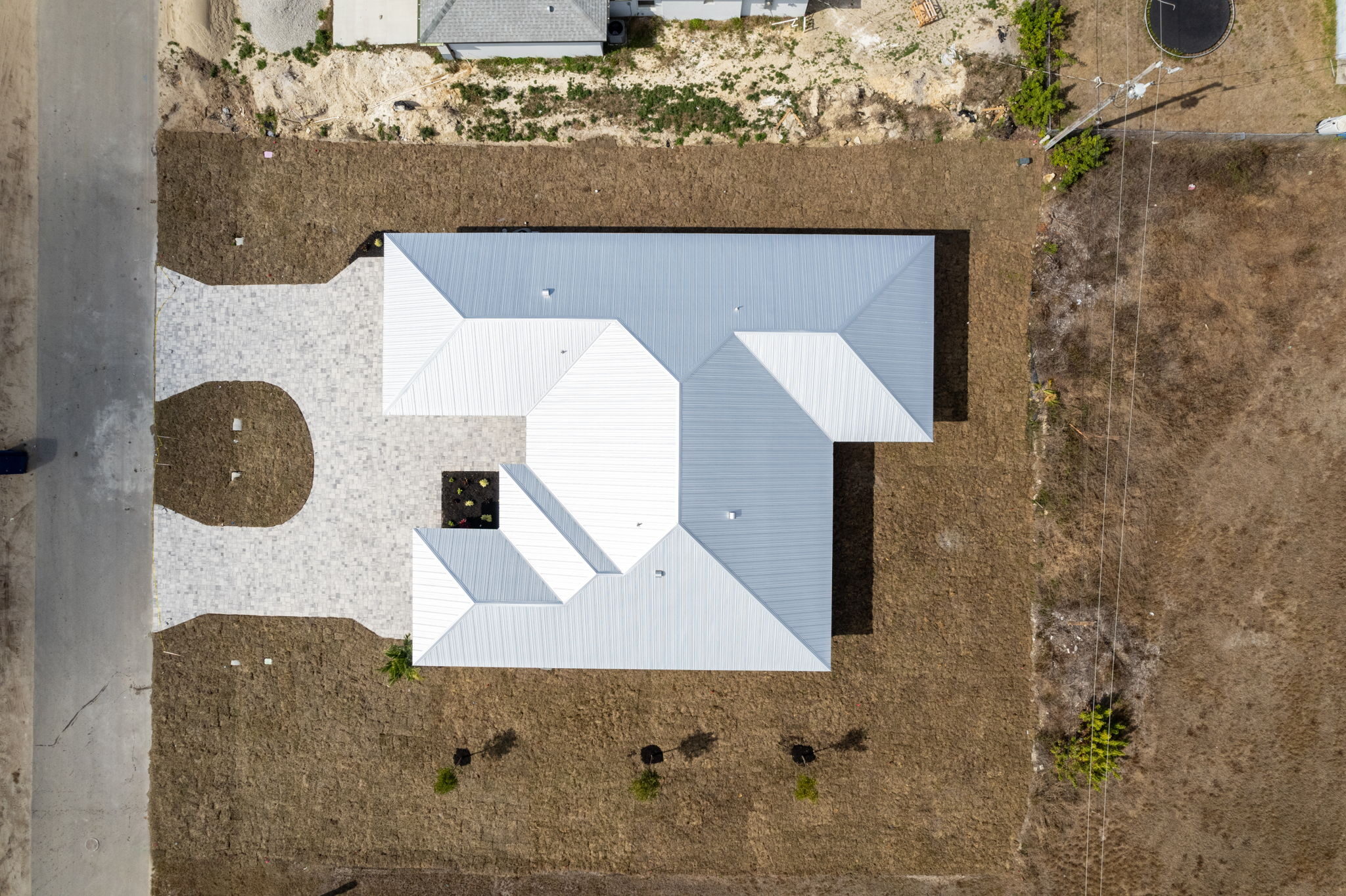
43-web-or-mls-DJI_0212
Home BuildingJuly 14, 2026

Metal Roof vs. Shingles in Cape Coral, FL | Why Lauren Homes Includes Metal Roofing Standard

Metal Roofs are a must in New Construction in Cape Coral

Metal Roofs in Cape Coral, Florida: Why Lauren Homes Made Them a Standard Feature

If you’re planning to build a custom home in Cape Coral or Southwest Florida, one of the biggest decisions you’ll make is choosing the right roofing system. At Lauren Homes, we’ve built homes in Southwest Florida since 2013, and one decision has stood the test of time—we believe a metal roof is one of the best investments a homeowner can make.

In fact, we don’t consider a metal roof an upgrade anymore. We consider it a standard feature on every Lauren Homes custom home.

Our Experience Building Homes in Southwest Florida

When Lauren Homes first started building custom homes, dimensional asphalt shingles were our standard roofing option. At the time, many homeowners were focused on keeping construction costs as low as possible, and shingles provided a reliable, cost-effective solution.

We also built homes with concrete tile roofs. Tile certainly offers beautiful curb appeal and is popular throughout Southwest Florida. However, tile roofs require a stronger roof structure because of their weight, adding to construction costs. While tile looks fantastic, it doesn’t necessarily provide better waterproof protection for the roof system than a properly installed metal roof.

Around 2016, after careful evaluation and feedback from homeowners, we made the decision to transition almost exclusively to metal roofing.

Looking back, it was one of the best decisions we’ve made.

Why We Recommend Metal Roofs

Over the years, Southwest Florida has experienced several hurricanes and major wind events. After many of these storms, homeowners who originally questioned the value of upgrading to a metal roof called us to thank us for recommending one.

We’ve consistently seen metal roofs perform exceptionally well in Cape Coral, Fort Myers, North Fort Myers, Punta Gorda, and throughout Southwest Florida.

Some of the biggest advantages include:

  • Outstanding wind resistance

  • Excellent long-term durability

  • Minimal maintenance

  • Long service life

  • Modern appearance

  • Increased home value

  • Potential insurance discounts

  • Improved energy efficiency

When you’re making a long-term investment in your home, your roof is one area where quality matters.

5V Crimp vs. Standing Seam Metal Roofs

Not all metal roofs are the same.

5V Crimp Metal Roof

Our standard roofing system is a high-quality 5V crimp metal roof.

This style uses exposed fasteners with gasketed screws and has been a proven roofing system throughout Florida for decades. It offers excellent performance while keeping costs more affordable than standing seam roofing.

It’s also the roofing system I chose for my own home.

As the owner of Lauren Homes, I believe in recommending products that I would install on my own family’s house.

Standing Seam Metal Roof

Standing seam roofs provide a more modern architectural appearance with concealed fasteners.

Because the fasteners are hidden beneath the panels, many homeowners prefer the cleaner look. Standing seam systems are generally more expensive due to the additional materials and labor required for installation.

If a homeowner is looking for a more contemporary design, standing seam is an excellent upgrade option.

Metal Roof Color Options

Metal roofing comes in a wide variety of colors and finishes.

While darker colors can create a dramatic appearance, it’s important to remember that darker roofs absorb more heat from the Florida sun. Over many years, darker colors may also show fading sooner than lighter colors due to constant UV exposure.

Our team is happy to help homeowners select a color that complements their home’s architecture while considering long-term performance.

Energy Efficiency Benefits

One of the often-overlooked advantages of metal roofing is energy efficiency.

Quality metal roofing reflects a significant amount of solar radiation compared to traditional roofing materials, helping reduce heat transfer into the attic.

Combined with spray foam insulation and proper attic ventilation, a metal roof can contribute to improved indoor comfort and potentially lower cooling costs during Southwest Florida’s hot summers.

Potential Insurance Savings

Many insurance companies recognize the durability of properly installed metal roofs.

While every insurance carrier is different, homeowners should ask their insurance agent whether a metal roof qualifies for premium discounts based on wind resistance or roof construction.

Those savings can add up over the life of your home.

What Does a Metal Roof Cost?

The cost of a metal roof depends on several factors, including:

  • Home size

  • Roof complexity

  • Roof pitch

  • Number of valleys and hips

  • Material selection

  • 5V crimp versus standing seam

For most custom homes we build, a metal roof typically ranges between $25,000 and $50,000.

Although the initial investment is higher than shingles, many homeowners feel the increased durability, longevity, energy efficiency, and potential insurance savings make it well worth the investment.

Why Lauren Homes Includes Metal Roofing as a Standard Feature

Many builders still offer metal roofs as an expensive upgrade.

At Lauren Homes, we’ve seen enough real-world performance to confidently include a 5V crimp metal roof as one of our standard features.

We partner with trusted local suppliers and experienced installers who understand the demands of Florida’s climate.

More importantly, we build homes the same way we would build for our own families.

If I wouldn’t install it on my own home, I won’t recommend it to yours.

Thinking About Building a Custom Home in Cape Coral?

If you’re planning to build in Cape Coral, Fort Myers, North Fort Myers, Punta Gorda, Alva, or anywhere in Southwest Florida, we’d love the opportunity to show you why so many homeowners choose Lauren Homes.

We’ll walk you through every roofing option, explain the advantages of each system, and help you choose the best roof for your family’s home and budget.

Schedule your free custom home strategy session today and discover why Lauren Homes has made metal roofing our standard—not an upgrade. 239-829-1520


Is a metal roof better than shingles in Florida?

For many homeowners, yes. Metal roofs generally provide superior longevity, excellent wind resistance, low maintenance, and improved energy efficiency compared to traditional asphalt shingles.

Do metal roofs help lower insurance costs?

Many insurance companies offer discounts for metal roofs because of their durability and wind resistance. Ask your insurance agent which discounts may apply to your home.

How long does a metal roof last in Southwest Florida?

A properly installed and maintained metal roof can last several decades, making it one of the longest-lasting roofing systems available for Florida homes.

Read More
25-web-or-mls-_HON9609-1
Home BuildingJuly 9, 2026

Paver Driveway vs. Concrete Driveway: Which Is Better for Your New Home in Southwest Florida?

Paver Driveway vs Concrete Driveway | Which Is Best for Your Florida Custom Home?

If you’re planning to build a custom home in Cape Coral or anywhere in Southwest Florida, one of the final decisions you’ll make is choosing between a concrete driveway and a paver driveway.

Many homeowners focus on floor plans, kitchens, pools, and finishes—but your driveway is one of the first things people see and one of the hardest-working parts of your home.

As a custom home builder in Southwest Florida, we help homeowners make this decision every week. Here’s what you should know before investing thousands of dollars into your new home’s curb appeal.

Concrete Driveways: Affordable and Functional

Concrete remains the most common driveway option for new construction because it offers a lower upfront cost and a clean appearance.

Advantages of Concrete Driveways

  • Lower initial investment
  • Faster installation
  • Clean, modern appearance
  • Minimal maintenance during the first few years

Concrete works well for many homeowners who are looking to maximize their building budget while still achieving an attractive finished home.

However, Florida’s climate creates challenges that buyers should understand before making their decision.

The Downsides of Concrete Driveways

Southwest Florida experiences intense heat, heavy rainfall, shifting soils, and frequent vehicle traffic. Over time, concrete can develop:

  • Hairline cracks
  • Surface discoloration
  • Expansion joint movement
  • Difficult and noticeable repairs

While properly installed concrete performs well, repairs often remain visible, even after patching.

Why Many Homeowners Upgrade to Pavers

Paver driveways have become increasingly popular throughout Cape Coral, Fort Myers, Punta Gorda, and surrounding communities because they offer long-term durability while dramatically improving curb appeal.

Benefits of Paver Driveways

  • Premium luxury appearance
  • Higher perceived home value
  • Individual pavers can be replaced if damaged
  • Better flexibility during ground movement
  • Wide selection of colors, patterns, and borders
  • Excellent drainage characteristics

Instead of one large slab, pavers consist of thousands of individual pieces that work together. If one section settles or becomes damaged, only that area typically needs repair.

Cost Comparison

Many buyers ask:

“Is a paver driveway worth the extra money?”

The answer depends on your priorities.

Concrete usually costs less initially.

Pavers require a larger upfront investment but often provide:

  • Greater resale appeal
  • Easier long-term maintenance
  • Better durability
  • A luxury custom-home appearance

If you’re building your forever home, many homeowners find the upgrade worthwhile.

Which Driveway Lasts Longer?

When properly installed and maintained:

  • Concrete can provide decades of service but may develop cracking over time.
  • Paver systems generally tolerate Florida soil movement better because individual pavers can shift slightly without creating large visible cracks.

That flexibility makes pavers especially attractive for homes throughout Southwest Florida.

Which Option Does Lauren Homes Recommend?

At Lauren Homes, we build fully custom homes designed around each client’s priorities and budget.

Both driveway options can be excellent choices.

If keeping costs down is your primary goal, concrete offers tremendous value.

If you’re looking for maximum curb appeal, easier future repairs, and a more luxurious finished appearance, pavers are often the better long-term investment.

We’ll walk you through both options during your design process so you can choose what best fits your home and lifestyle.

Building a Custom Home on Your Own Lot?

Lauren Homes specializes in building on your lot throughout:

  • Cape Coral
  • Fort Myers
  • North Fort Myers
  • Punta Gorda
  • Alva
  • Lehigh Acres
  • Babcock Ranch
  • Southwest Florida

Whether you already own land or are still searching for the perfect property, our team can help with lot evaluations, custom home design, construction financing, permitting, and building your dream home from start to finish.

If you’re ready to build, schedule a free consultation with Lauren Homes and discover why so many Southwest Florida homeowners choose us as their trusted custom home builder. LaurenHomes.com 239-829-1520

Is a paver driveway better than concrete in Florida?

Paver driveways are often preferred in Florida because they better handle ground movement, are easier to repair, and add significant curb appeal. Concrete is typically less expensive upfront but may develop cracks over time.

How much more does a paver driveway cost than concrete?

Paver driveways generally cost more initially than concrete driveways, but many homeowners choose them for their premium appearance, easier maintenance, and potential long-term value. Pricing varies depending on the size of the driveway and the type of pavers selected.  You can guestimate $4- $6 more a sq ft

How long do paver driveways last in Florida?

A properly installed paver driveway can last for decades with routine maintenance. Because individual pavers can be replaced if damaged, they often remain attractive longer than traditional concrete driveways.

Read More
logotype

Quick Links

Our Build Process
Custom Floor Plans
Lauren Homes FAQ's
Realtors

Contact Us

1425 Del Prado Blvd. S. Cape Coral, FL 33990
(239) 829-1520
Fredprice@Lauren-Homes.com

Follow Us

Facebook-fYoutubeInstagram

Copyright © 2025 Lauren Homes. All Rights Reserved. | License: CRC1331621

Website Designed By OMG, A Cape Coral Website Design Company