Window & Door Masonry Openings: What Florida Homeowners Should Know
Window & Door Masonry Openings: A Critical Step When Building a Home in Florida
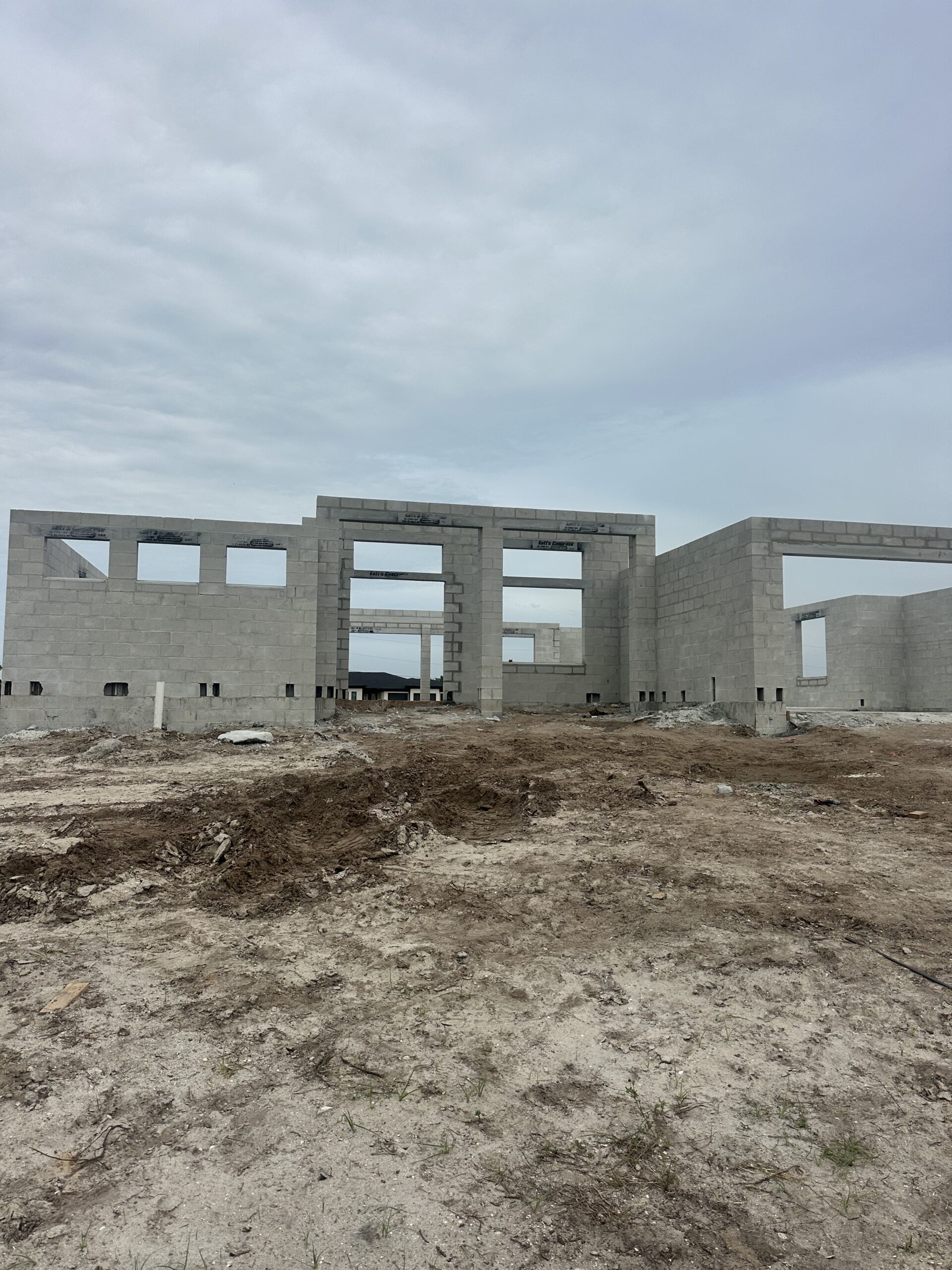
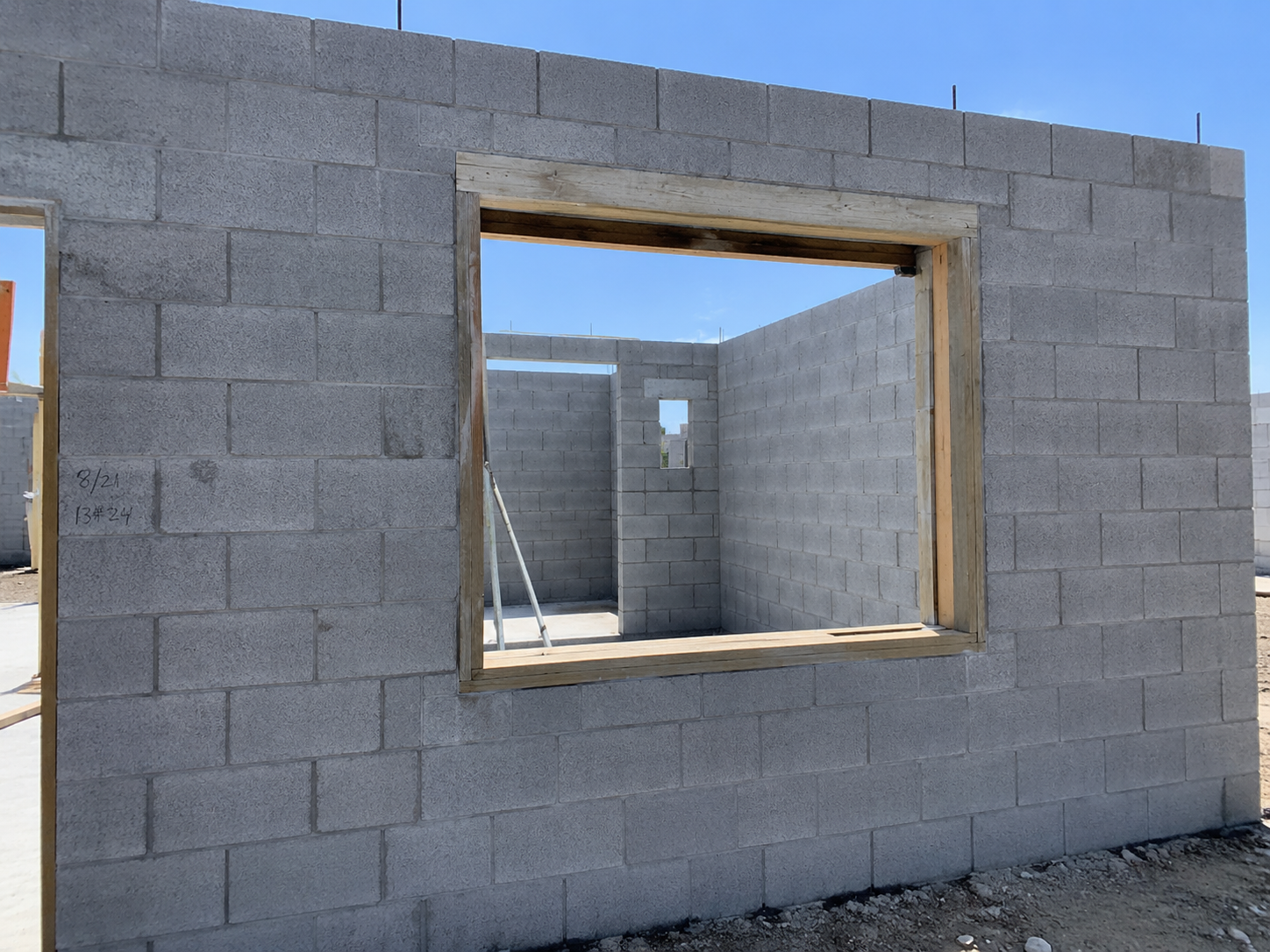
When building a concrete block home in Florida, some of the most important quality-control steps happen long before the windows and doors are actually installed. One of those steps is making sure every window and exterior door masonry opening is the correct size before the block mason builds the walls around it.
At Lauren Homes, this is something we verify early in the construction process. A window opening that’s off by even a relatively small amount can create problems later—from installation delays and additional labor to improper clearances and potential waterproofing concerns.
Getting it right the first time starts with coordination between the builder, window supplier, plans, and masonry contractor.
What Is a Masonry Opening?
In a concrete block home, the masonry opening (MO) is the opening that the block mason creates in the exterior wall for a window or door.
Notably, this is different from simply looking at the nominal size of the window.
In fact, the actual opening required depends on the specific window or door being installed and the manufacturer’s installation requirements. That’s why we don’t want the mason guessing an opening based on what appears on a generic floor plan.
Therefore, we verify the correct opening information before masonry begins.
Where Do the Window and Door Opening Sizes Come From?
Typically, our window and door supplier provides an opening schedule based on the actual products ordered for the home.
Depending on the manufacturer and product, this information can include:
- Window and door dimensions
- Masonry opening sizes
- Wood-framed opening requirements
- Window types and configurations
- Locations throughout the home
- Manufacturer installation requirements
In addition, we coordinate this information with the construction plans before the crew builds the exterior walls.
At Lauren Homes, we want the builder, window supplier, and masonry contractor working from the same information.
It sounds simple, but this coordination can prevent a lot of unnecessary problems later.
Why Masonry Openings Need to Be Checked Before the Walls Go Up
For example, imagine completing the block walls and then discovering during window installation that an opening is too small, too large, or doesn’t match the window that was ordered.
Suddenly you’re cutting into finished masonry, delaying the window installation, and pulling in extra trades. Worse, the whole problem was avoidable.
That’s why we believe in checking these dimensions before and during the masonry phase—not after it.
As builders, we are constantly looking ahead to the next trade.
Certainly, the mason isn’t simply building a wall. What the mason does today affects the window installer, stucco contractor, waterproofing system, interior finishes, and ultimately the long-term performance of the home.
What Is Window Bucking?
Another important part of installing windows in Florida masonry construction is window bucking, commonly referred to as the window buck.
Our installers set a buck around the masonry opening. As a result, the window gets the right interface for the home’s design and approved installation requirements.
The window installation isn’t just about making the window physically fit into the opening.
The complete assembly—including the block opening, bucking, attachment method, sealants, flashing or waterproofing components, and window itself—has to work together.
This becomes particularly important in Southwest Florida, where homes are exposed to heavy rain, wind-driven rain, high humidity, and hurricanes.
Waterproofing Around Windows and Doors Matters
Of course, getting the opening right is only the beginning.
The area surrounding exterior windows and doors is one of the places where careful waterproofing and installation practices matter most.
For that reason, we pay close attention to the interface between the concrete block, window buck, window or door assembly, and surrounding waterproofing system.
Our goal is simple. We build an opening that manages water well and connects the window system durably to the home’s exterior wall.
This is one of those construction details that homeowners may never see once their house is finished—but it can have a major impact on the performance of the home.
Why We Use Hurricane-Rated Impact Windows
At Lauren Homes, we use hurricane-rated impact windows and doors appropriate for the home’s location and applicable Florida Building Code requirements. These impact-rated windows can also help with lowering Florida homeowners insurance premiums.
For Southwest Florida homeowners, impact-resistant windows offer several advantages.
First, they help protect the building envelope from windborne debris during severe weather. Second, they remove the need to put up traditional hurricane shutters before every storm.
But purchasing a high-quality impact window is only part of the equation.
A great window still needs a great installation.
The opening needs to be correct. The crew must follow the approved attachment requirements. Finally, the buck and surrounding materials must go in and seal properly.
That is why our quality-control process begins before the window ever arrives at the jobsite.
Our Window & Door Opening Process at Lauren Homes
When we’re preparing for the masonry phase of a new concrete block home, our process generally includes:
- Confirm the selected windows and exterior doors.
We coordinate the products being ordered for the home. - Obtain the manufacturer’s/supplier’s opening information.
Our window supplier provides the applicable window and door dimensions and opening requirements. - Compare the information to the construction plans.
We check for discrepancies before they become field problems. - Provide the masonry openings to the block mason.
The mason needs the correct information before constructing the exterior walls. - Verify openings during construction.
We don’t want to discover an incorrect opening when the windows arrive. - Install the appropriate bucking and waterproofing system.
The buck, masonry, sealants and waterproofing components need to work together as part of the complete window installation. - Install the impact-rated windows and doors according to the approved requirements.
Proper installation and attachment are just as important as selecting the right window.
Small Details Make a Big Difference When Building a Home
Generally, homeowners focus on the exciting parts of building a new home—the kitchen, flooring, countertops, pool, bathrooms and finishes.
However, many decisions that determine a home’s quality happen months before those finishes go in.
Making sure the masonry openings for your windows and doors are correct is one of them.
Measuring and verifying an opening before the block wall goes up is far easier. Fixing a masonry problem afterward costs real time and money.
At Lauren Homes, our goal is to pay attention to these details throughout the construction process. We coordinate with our suppliers and subcontractors so that each stage of construction properly prepares the home for the next one.
Because building a quality home isn’t just about what you can see when it’s finished.
It’s about getting the things you’ll never see right, too.
Building a New Home in Southwest Florida?
Lauren Homes builds new construction and custom homes throughout Cape Coral, Fort Myers, North Fort Myers, Alva, Lehigh Acres, Punta Gorda and surrounding Southwest Florida communities.
If you’re considering building a home on your lot and want to better understand the construction process, explore our full building process or get a free custom home estimate to discuss your project.
Lauren Homes — Building Southwest Florida homes with attention to the details that matter.
What is a masonry opening for a window?
A masonry opening is the opening the mason builds in a concrete block wall for a window or door. The required dimensions should be coordinated with the specific window or door product and its approved installation requirements.
What is window bucking in a concrete block home?
Window bucking is material set at the masonry opening. It creates the right interface for installing and securing the window assembly. The specific buck and attachment requirements depend on the window system and approved installation details.
Why should window openings be checked before masonry walls are completed?
Checking openings before and during masonry construction can identify incorrect dimensions before the window installation stage. Correcting an opening while masonry work is underway is generally easier than modifying completed walls after windows arrive.
Why is waterproofing around windows important in Florida?
Florida homes can experience heavy rainfall, wind-driven rain, humidity and severe storms. Proper installation and water-management details around exterior openings help protect the building envelope and reduce the risk of water intrusion.
Are impact windows required on new homes in Florida?
Requirements depend on the home’s location, applicable wind-borne debris requirements, product approvals, and the Florida Building Code. Lauren Homes uses hurricane-rated impact windows and doors appropriate for the specific project and location.